
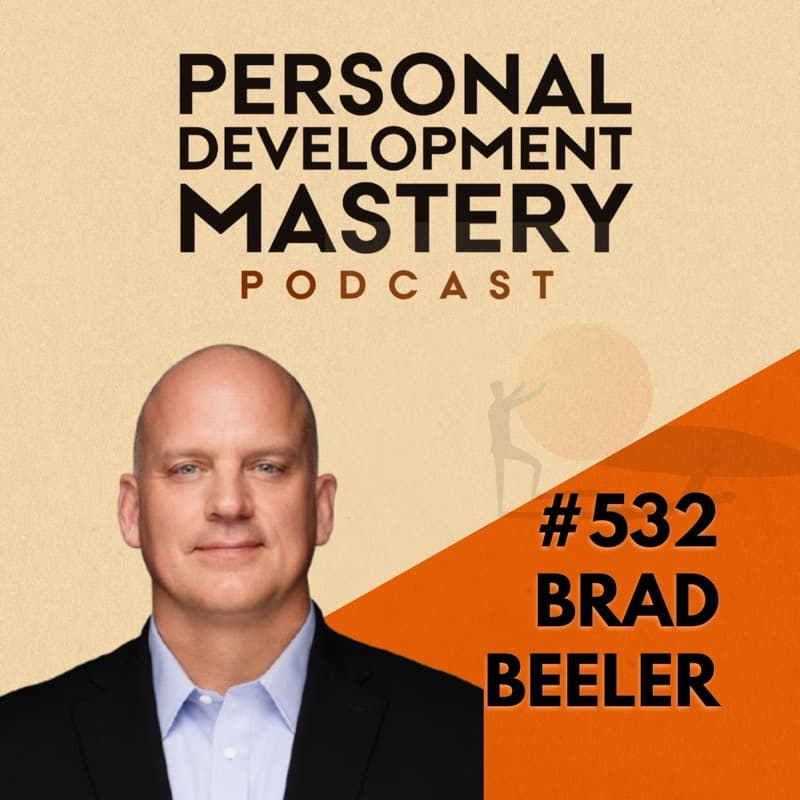
In this episode, host Agi Keramidas speaks with Brad Beeler, a recently retired special agent with the United States Secret Service. Over a 25-year career, Brad became one of the agency's most respected polygraph examiners and a master in the art of communication, negotiation, and leadership. Now, he helps people navigate difficult conversations using advanced credibility and elicitation techniques.
Brad shares fascinating stories from his career and offers practical advice on how to connect more deeply, read people more accurately, and handle high-pressure situations with confidence.
The Power of Body Language
One of the key themes in this conversation is the importance of body language in building trust. Brad explains that communication often begins and ends with a handshake, and first impressions can shape the entire interaction. He shares tips for creating a positive impact, such as approaching with soft eyes, maintaining good posture, and showing your hands to signal that you are not a threat.
Brad also explains the small details that make a handshake memorable for the right reasons. A warm, dry handshake at the right angle can project openness and credibility, while a cold or clammy handshake can have the opposite effect. He even recommends small tricks such as holding a warm coffee cup before an introduction or using antiperspirant on your hands before an important meeting.
By mastering this initial physical exchange, you metaphorically place a halo over your head rather than horns, prompting others to see you in a positive light from the very start.
Vocal Tone and Presence
While body language speaks volumes, Brad emphasises that how you use your voice can be just as important as the words you choose. He recalls his early days as a polygraph examiner when his nervousness made his pitch higher, causing him to sound less confident.
According to Brad, slowing down and lowering your pitch slightly at the beginning of an interaction can help project calm authority. This is especially important because people subconsciously interpret higher-pitched voices as signals of stress or uncertainty.
He encourages listeners to practise using vocal tone intentionally. For example, statements should sound definitive, not like questions, unless you are deliberately trying to elicit more information. In Brad’s experience, the way a question is framed vocally can often reveal more than the words themselves.
Sales and Interrogation: The Surprising Connection
Brad draws interesting parallels between sales and investigative interviewing. At their core, both involve building rapport, preparing thoroughly, and helping the other person see why taking a certain course of action might be in their best interest.
In sales, you may be offering a product or service. In an interrogation, Brad jokes, he might be “selling” a prison sentence. The stakes and outcomes are very different, but the underlying techniques are surprisingly similar. In both cases, success comes from understanding the person in front of you, asking the right questions, and being able to improvise in real-time conversation.
Identifying Dishonesty
One of the most intriguing parts of the interview is Brad’s insight into spotting dishonesty. He warns against relying on one-size-fits-all cues such as touching the nose or crossing the arms. Instead, he advocates establishing a baseline for a person’s normal behaviour and looking for deviations in response to specific questions.
For yes or no questions, delays in answering can be telling, as can overly qualified responses such as “usually” or “for the most part”. Brad also notes the subtle inconsistencies between verbal and non-verbal communication, such as nodding while saying “no” or shaking the head while saying “yes”.
Rather than relying on a single signal, he advises looking for clusters of indicators before drawing any conclusions.
Improving Your Communication Skills
Brad offers practical ways to improve your own communication. He recommends using smartphone apps to practise vocal range and pace, aiming for a speaking rate of about 130 words per minute. Recording yourself and reviewing both the audio and the video separately can reveal whether your tone and body language align with your message.
He stresses that most people focus too much on finding the perfect words, when in reality how you look and sound while saying them often carries more weight. As he points out, people remember the voice of James Earl Jones as Darth Vader because of its distinctive tone, not the exact words spoken.
Maintaining Composure Under Pressure
Years of working in high-stress situations have taught Brad the value of maintaining composure. Just as flight attendants remain calm during turbulence to avoid alarming passengers, a communicator in a tense situation should avoid outward signs of stress.
Even when dealing with people who have committed serious crimes, Brad stays curious and non-judgemental. He focuses on topics they enjoy, allowing them to open up naturally rather than feeling challenged or judged. This approach is equally effective in everyday life when trying to build rapport.
Personal Development and Advice to His Younger Self
When asked about personal development, Brad likens it to Brazilian jiu-jitsu. In the early stages, you learn quickly, but over time the focus shifts to refining smaller details. He believes in being 1 per cent better every day and passing on his skills and lessons to others so they can progress faster.
His message to his 18-year-old self is clear. Life is a marathon, not a sprint, and reputation matters greatly. Protect your name, pace yourself, and make daily improvements.