Success is often seen as the ultimate goal. We are encouraged to achieve more, work harder, reach the next milestone, and constantly improve. But what happens when achievement becomes more than something we do and starts becoming who we are?
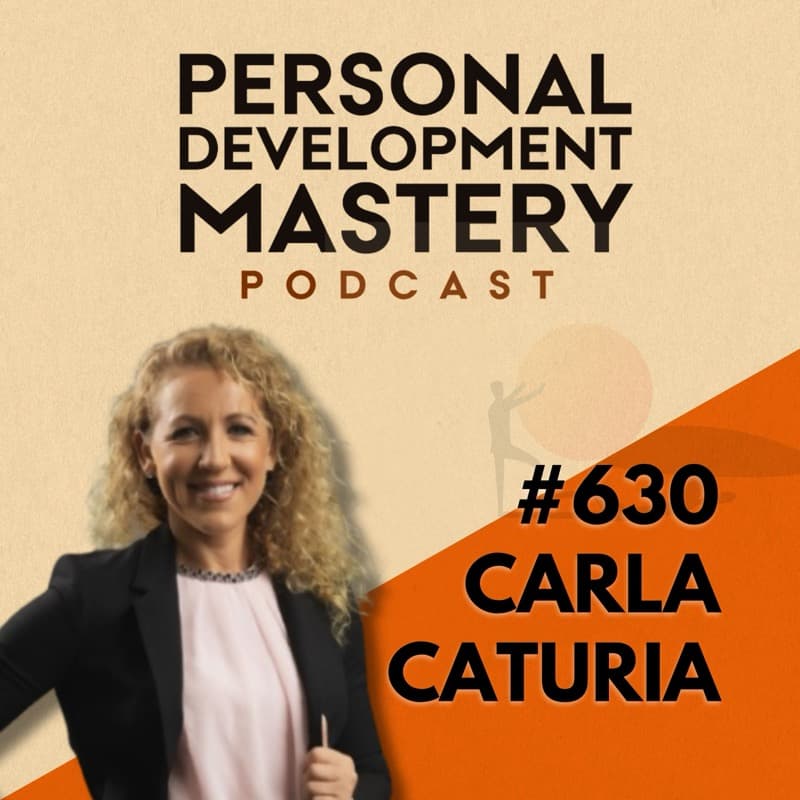
In this episode, I speak with Dr. Carla Caturia about the hidden emotional cost of high achievement, the importance of rebuilding a strong sense of self, and how small daily actions can help us create a more balanced and fulfilling life.
After spending more than 20 years in education as a teacher, vice principal, and professor, working with thousands of students and families, Carla experienced first-hand what it feels like when achievement becomes an identity. Her journey led her to question whether the success she had created was truly aligned with who she wanted to be.
When success becomes your identity
For many high achievers, ambition begins as something positive. Wanting to grow, contribute, and create meaningful results can be deeply fulfilling. The challenge comes when achievement becomes the main source of our self-worth.
Carla shares that achievement became her identity. Rather than focusing on what she truly enjoyed or what felt authentic, she found herself moving from one level of accomplishment to the next. Over time, she realised she had become the person she thought she needed to be, rather than the person she truly was.
This experience is more common than many people realise. It can show up as constantly feeling pressure to perform, struggling to switch off after work, fearing failure, or feeling that your value is connected to what you accomplish.
The question to ask is not whether you should care about success. The question is: what is your success costing you?
The hidden cost of constant achievement
Achievement itself is not the problem. The problem occurs when it takes over every area of life.
Carla explains that one of the signs that achievement has become unhealthy is losing curiosity, joy, and a sense of purpose. You may find yourself going through the motions, feeling disconnected from your work, or being motivated only by external rewards.
A fulfilling life requires more than reaching goals. It requires connection, purpose, relationships, and the ability to appreciate the present moment.
Carla encourages listeners to reflect on whether their work and daily activities are contributing to something meaningful beyond themselves. Whether you are employed by an organisation or running your own business, asking how you are helping, transforming, or supporting others can reconnect you with a deeper sense of fulfilment.
Curiosity as a pathway to growth
One of the key themes of this conversation is curiosity.
Curiosity creates space for exploration. It allows us to ask, “I wonder what would happen if…” rather than immediately shutting down ideas because they feel uncertain or uncomfortable.
For Carla, curiosity is the starting point for creating change. It can mean exploring a completely new direction, trying something different in your current role, or approaching familiar situations with a fresh perspective.
Often, we dismiss possibilities because we tell ourselves we are too busy, it is too late, or we do not have the ability. Curiosity allows us to challenge those assumptions and take the first step towards something new.
Small actions create lasting change
A major message from this episode is that transformation does not happen through dramatic overnight changes. It happens through small, consistent actions.
Carla explains that many people know what they need to do to improve their wellbeing, but the challenge is implementation. Knowing that sleep, movement, gratitude, and self-care matter is different from actually building those practices into daily life.
The key is to start small.
You do not need to completely redesign your life overnight. A 15-minute walk, a few moments of gratitude, or a simple daily commitment can create momentum. Each time you follow through, you build evidence that you can trust yourself.
Small actions become habits. Habits become routines. And routines shape the person you become.
Building emotional awareness and regulation
Another important part of the conversation focuses on emotional regulation and self-awareness.
Carla highlights the importance of recognising your emotional patterns before they take control. Instead of simply reacting to frustration, stress, or anxiety, she encourages listeners to become aware of what is happening internally.
This begins with noticing your thoughts, listening to your body, and asking questions such as, “What triggered this reaction?” or “What pattern am I repeating?”
Developing emotional awareness does not mean difficult emotions disappear. It means you become better equipped to respond rather than automatically react.
Practices such as journalling, meditation, movement, breathwork, and gratitude can help create a stronger emotional foundation. They act as preparation, helping you build resilience before challenging moments arrive.
One small action today
The biggest takeaway from this conversation is simple: you do not need to change everything at once.
Choose one thing you can commit to today. One small action that supports the person you want to become.
When you stop measuring yourself only by what you achieve and start paying attention to who you are becoming, you create the opportunity for a more authentic and meaningful life.