Many people spend years chasing success, only to reach a point where something still feels missing. From the outside, everything appears to be going well. They have a respected career, financial security, and recognition from others. Yet internally, they feel disconnected, exhausted, or unfulfilled.
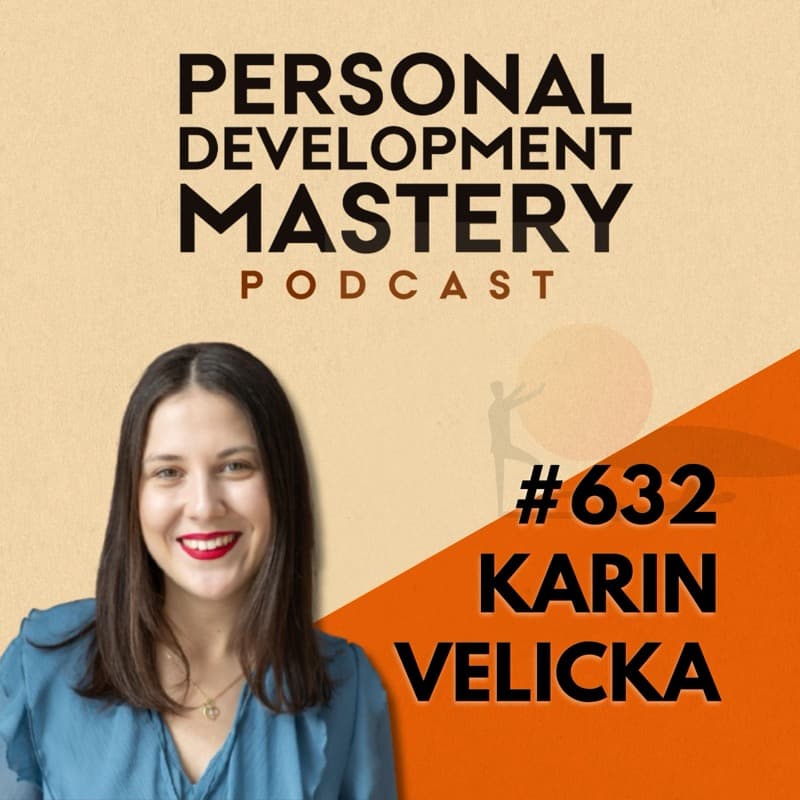
In this episode, Karin Velicka shares her personal journey from a successful career at the European Central Bank to becoming a life coach and neurosomatic breathwork facilitator. Her story is not simply about changing careers. It is about learning that genuine transformation comes from reconnecting with yourself rather than relying on external validation.
The conversation explores why awareness alone is rarely enough to create lasting change and how nervous system regulation can help us move beyond old patterns.
Success Without Fulfilment
Karin knew early in her finance career that the work did not truly resonate with her. However, leaving was far from straightforward. The role brought status, security, and praise from others. Walking away meant questioning an identity she had spent years building.
Like many ambitious people, she experienced conflicting emotions. She felt guilty about leaving behind years of education and professional experience. She questioned whether she was wasting everything she had worked so hard to achieve.
These feelings are surprisingly common. Society often encourages us to follow a predetermined path and rewards consistency. Changing direction can feel like failure, even when it is exactly what we need.
An important insight from the conversation is that previous experience is never wasted. Every stage of life contributes valuable skills and understanding that can support future growth. Rather than viewing past careers as mistakes, they can be seen as foundations for the next chapter.
Why Insight Alone Does Not Create Change
Many people understand why they feel stuck. They can identify unhealthy habits, limiting beliefs, or difficult emotions. Yet despite this awareness, they continue repeating the same behaviours.
Karin explains that intellectual understanding is only one part of the process.
Real change also requires working with the body and the nervous system. If the nervous system remains in a constant state of stress or protection, simply knowing what needs to change rarely produces different results.
This explains why personal development often reaches a plateau. Reading books, attending workshops, or analysing problems can provide valuable insight, but lasting transformation happens when the body also feels safe enough to respond differently.
Understanding the Nervous System
One of the key themes in the episode is nervous system regulation.
Modern life places many demands on us. Work pressures, family responsibilities, financial concerns, and constant digital stimulation all contribute to accumulated stress. Instead of fully processing these experiences, we often carry them with us day after day.
Karin compares this to having dozens of browser tabs open at once. Each unfinished source of stress consumes energy until eventually we become overwhelmed.
Neurosomatic breathwork is designed to help close these stress loops. By combining breathing, movement, sound, and body awareness, it encourages the nervous system to release stored tension rather than continually holding onto it.
The result is greater emotional resilience, clearer thinking, and a stronger sense of presence.
The Importance of Feeling Safe in Your Own Body
One particularly powerful part of the conversation focuses on what it means to feel safe within yourself.
Many people assume they already do. However, Karin explains that we often disconnect from our own needs in order to please others, avoid conflict, or meet external expectations.
We override our emotions, ignore physical signals, and continue pushing ourselves despite feeling exhausted.
Feeling safe in your body means something quite different.
It means trusting yourself enough to experience your emotions without immediately suppressing or avoiding them. It means recognising difficult feelings without allowing them to control your behaviour. It also means replacing constant self criticism with greater self compassion and acceptance.
When we begin listening to our bodies instead of constantly overriding them, we create space for healthier decisions and more authentic relationships.
Practical Ways to Reduce Stress
The discussion also offers practical techniques that listeners can begin using immediately.
Rather than relying on rigid routines, Karin encourages people to create dedicated time each day to check in with their bodies and respond to what they genuinely need.
Simple breathing techniques, such as box breathing, can help bring attention back to the present moment.
She also introduces the idea of combining breath with movement and sound. One example involves imagining stress inside a box, then using a strong downward movement while breathing out with a forceful "ha" sound to symbolically release that stored tension.
Although these exercises may initially feel unfamiliar, they reflect something we naturally observe in the animal kingdom. Animals instinctively discharge stress after danger has passed. Humans, by contrast, often carry stress indefinitely.
Learning to release rather than accumulate stress can have a significant impact on emotional wellbeing.
Small Steps Create Lasting Results
Another valuable reminder from the episode is that transformation rarely happens overnight.
Many people believe they need dramatic change to improve their lives. Karin encourages the opposite approach.
Small, consistent actions build long term resilience. Simply noticing your emotional state before reacting is already a meaningful step forward. Pausing to take a conscious breath before responding can interrupt automatic patterns and create space for a more thoughtful response.
Progress comes through repeated practice rather than perfection.
A Different Way to Think About Personal Growth
This conversation challenges the common belief that success is measured only by external achievements.
Instead, it highlights the importance of inner alignment, emotional awareness, and creating a sense of safety within ourselves.
Whether you are considering a career change, feeling overwhelmed by stress, or simply looking for a deeper connection with yourself, Karin's insights offer both encouragement and practical guidance.
The journey towards lasting change begins not with becoming someone new, but with reconnecting to who you already are.