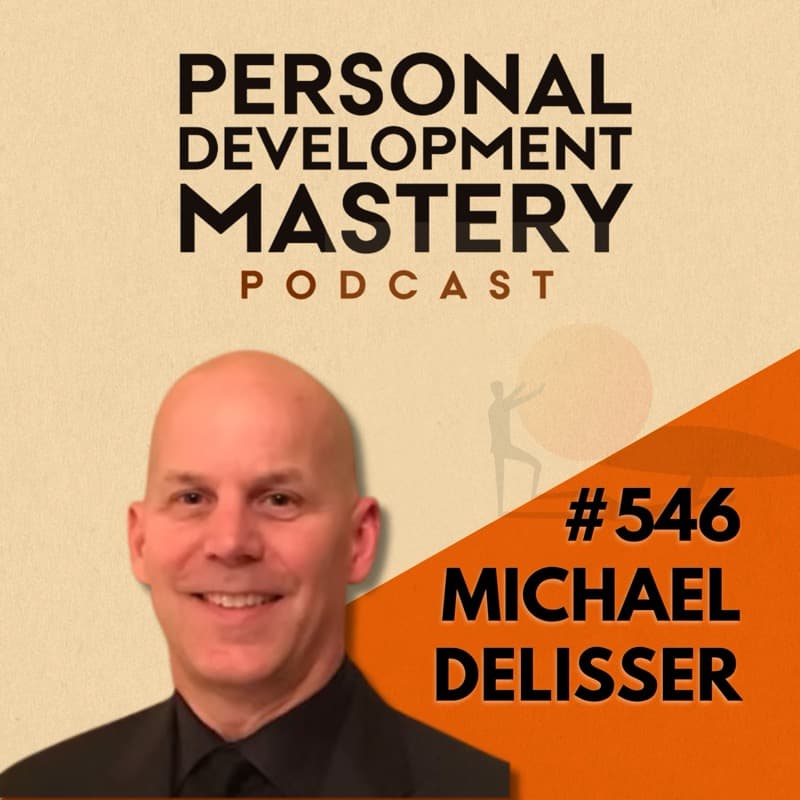
In an age where attention spans are short and technology often distances us rather than connects us, the ability to communicate effectively is more important than ever. In a recent conversation with Michael DeLisser, leadership coach, author and communication expert, we explored the powerful link between self-awareness and communication, and why both are critical for success in both professional and personal life.
Michael’s insights offer not just theory, but a clear path to developing deeper, more impactful relationships by becoming more aware of ourselves and how we interact with others.
The Foundation: Self-Awareness Comes First
When asked what the single most important action a busy professional can take to improve communication, Michael responded without hesitation: develop self-awareness.
Self-awareness, in this context, is not just a buzzword. It’s about understanding what triggers your emotional reactions, recognising your ingrained communication habits, and being aware of how your personality influences how you are perceived by others.
Michael outlines three pillars of self-awareness:
Emotional Triggers: Knowing what causes you to react emotionally rather than rationally allows you to better manage difficult conversations.
Communication Habits: Many people have habits they are unaware of, such as interrupting or failing to listen fully, that damage trust and relationships.
Personality Dynamics: Understanding your personality strengths and weaknesses helps you adapt more effectively to different interpersonal situations.
The more aware you are of these three areas, the more intentional you can be in your interactions, whether with colleagues, clients or loved ones.
The Hidden Habits That Hurt
One of the most eye-opening parts of our conversation was Michael’s list of common communication habits that unknowingly damage trust. These include:
Not being present, such as checking your phone during conversations.
Dominating conversations, especially if you are naturally extroverted.
Reacting emotionally without awareness.
Interrupting others or mentally judging while they are speaking.
These behaviours often stem from early learned patterns, what Michael refers to as “culturally learned communication behaviours.” Many of them are so ingrained we do not even realise we are doing them. That is why feedback from trusted people in your life is essential. Self-assessments, like those found in Michael’s book, can also help uncover these blind spots.
Good Habits That Strengthen Trust
Just as there are habits that harm communication, there are also natural strengths many people may not realise they possess. Active listening, showing genuine interest through thoughtful questions, and maintaining honesty even when it is uncomfortable, all contribute to stronger, more authentic communication.
Michael shared how a value instilled by his mother – honesty – became one of his greatest strengths. Owning up to mistakes without defensiveness builds trust, whether in the workplace or at home. Similarly, modelling good listening skills, often learned unconsciously from family members, can have a profound impact.
Staying Grounded in Stressful Moments
The real test of self-awareness and communication skill comes not in calm moments but in emotionally charged situations. So how do you stay grounded when you feel triggered?
Michael recommends a proactive approach. First, know your triggers. Second, develop techniques that work for you in the moment. One of his favourites is the phrase “don’t take the bait” – a mental cue to resist reacting to provocation. Another powerful tactic is simply stating what you’re feeling and suggesting a pause in the conversation before it escalates.
He also advises preparing ahead for potentially difficult conversations by mentally rehearsing your response, visualising a calm and constructive outcome.
If you do make a mistake in the heat of the moment, own it. Go back to the person, acknowledge your emotional reaction and express your desire to continue the conversation with more clarity and care. That act alone can repair trust and model strong emotional intelligence.
The Link Between Communication and Fulfilment
Michael’s insights extend beyond workplace performance. For those who feel successful on the outside but unfulfilled inside, improving communication can be a gateway to deeper meaning and connection.
He emphasises that how we communicate with ourselves is just as important as how we speak with others. Self-critical inner dialogue, lack of purpose, or disconnected values can all contribute to a sense of emptiness. Reconnecting with your core values and finding ways to express them – in work or outside it – can reignite passion and fulfilment.
A Lesson from the Past
Michael’s journey began in his teenage years, watching his father coach Fortune 100 executives who had been let go due to poor communication. These were not people lacking technical skills. They had climbed the corporate ladder only to fall because of the very thing that had been overlooked: how they related to others.
That formative experience shaped Michael’s mission. As he sees it, technical skills will increasingly be replaced by artificial intelligence, but human connection, trust and communication will always set individuals apart.
Let Go of Ego, Embrace Feedback
If Michael could offer one piece of advice to his 18-year-old self, it would be to let go of ego earlier. Being open to feedback, especially from people who think differently, accelerates personal growth and improves outcomes. This mindset shift, he says, helped him write a better book, build better relationships, and become a better leader.
Final Thoughts
Great communication begins with awareness. The more we know ourselves, the more effectively we can connect with others. Whether you are a leader in the workplace or simply trying to improve your personal relationships, Michael’s advice is universal: focus on building trust, listening fully, and committing to continuous growth.