Many people reach a point in life where everything appears to be going well from the outside. They have built a career, achieved milestones, and followed the path they were expected to follow. Yet internally, they feel something is missing.
The question becomes: why does a life that looks successful still feel unfulfilling?
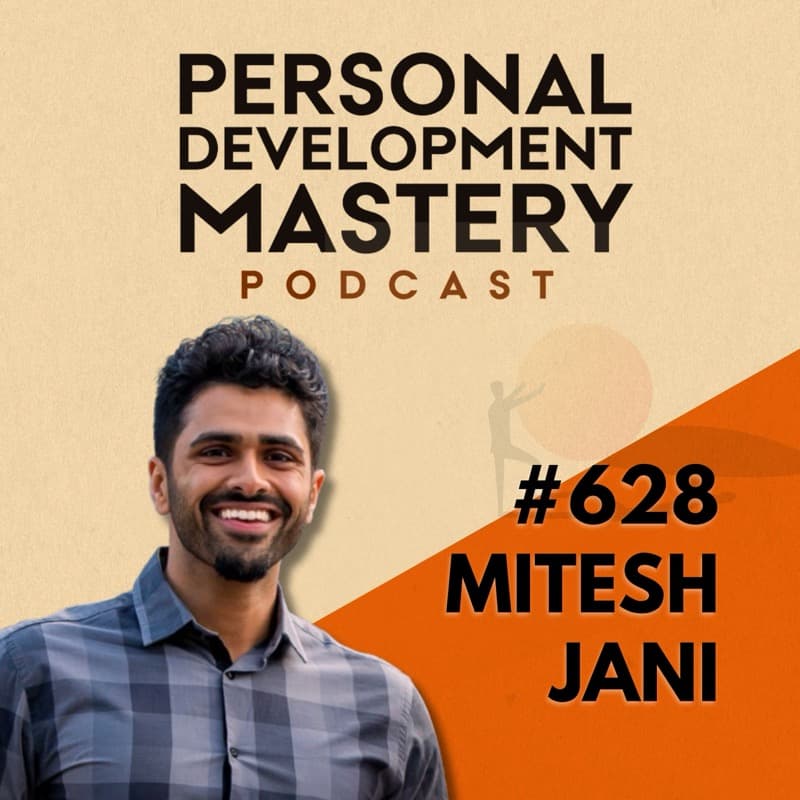
In this episode, I speak with Mitesh Jani, a dentist, writer, and founder of selfworth.ca, about the inner patterns that shape our achievement, fulfilment, and personal growth. Mitesh shares his own journey of moving from professional success towards a deeper exploration of purpose, creativity, and meaningful change.
When Success Does Not Equal Fulfilment
Mitesh’s journey began in a familiar way. After graduating from dental school, he entered his profession with ambition and enthusiasm. He built his career, pursued professional goals, and stayed busy with the demands of running a successful practice.
However, being busy did not necessarily mean being fulfilled.
The turning point came during the COVID-19 shutdown, when he suddenly had time to step away from his usual routines. While reflecting, he rediscovered old writings and realised he had lost touch with something important: the practice of thinking, reflecting, and expressing his ideas.
That moment became the beginning of a new chapter, leading him to write his first book and explore the deeper questions around purpose and personal alignment.
Mitesh highlights that what we often call a “midlife crisis” is not necessarily tied to a specific age. It is more about a collection of experiences such as burnout, anxiety, loss of purpose, or the feeling that life has become repetitive and disconnected.
The Challenge of Breaking Out of Stagnation
One of the key ideas Mitesh explores is why people find it so difficult to change, even when they know something needs to shift.
He describes stagnation through the analogy of pushing a box across the floor. The hardest moment is not when the box is already moving. It is the initial push required to overcome static friction.
The same applies to our lives.
When we have spent years following familiar routines, beliefs, and expectations, we develop a kind of inertia. Even if we know that something is missing, the comfort of what is familiar can make taking the first step feel overwhelming.
Mitesh explains that the first step is often the most important one, and it does not need to be perfect. The direction can be adjusted later, but creating momentum is what allows us to move forward.
Embracing Reckless Beginnings
A powerful concept from Mitesh’s work is the idea of “reckless beginnings”.
This does not mean making careless decisions or abandoning responsibility. Instead, it refers to the early stages of pursuing something meaningful when the path does not yet make complete logical sense.
Often, our intuition leads us towards interests, ideas, or experiences that appear unrelated to our current goals. Our logical mind may question them, but those seemingly random steps can become valuable parts of our future journey.
Mitesh shares the example of Steve Jobs studying calligraphy after leaving university. At the time, it did not appear connected to technology. However, years later, that experience influenced Apple’s approach to design and typography.
As Mitesh explains, we often connect the dots looking backwards, not forwards. The things that seem random today may become meaningful pieces of the bigger picture later.
Ditching the Map and Trusting the Compass
Another important theme from the conversation is the difference between following a map and following a compass.
The map represents the expectations we often inherit from society. It tells us what success should look like, what milestones we should reach, and what path we should follow.
The problem is that this external map may not lead us towards personal fulfilment.
The compass, on the other hand, represents our own values, intuition, and inner sense of direction.
Mitesh explains that many people put their biggest aspirations into a “long-term box”. They tell themselves they will pursue those dreams someday, once they have more time or fewer responsibilities.
However, the short-term demands of life often continue indefinitely.
His advice is not to abandon responsibilities, but to bring elements of those long-term desires into everyday life. Even a few minutes each day spent writing, reflecting, creating, or exploring a passion can begin to reconnect us with what matters.
The Importance of Presence
One of Mitesh’s strongest messages is the importance of cultivating presence.
He describes meditation as the practice and presence as the goal. Meditation is not about becoming better at meditating. It is about becoming more aware and intentional in everyday life.
Presence allows us to notice our thoughts, behaviours, and patterns before they automatically control our actions.
Without awareness, we often operate on old conditioning and habits. With awareness, we create the opportunity to make different choices.
Mitesh also offers a helpful perspective for anyone struggling with meditation. When your mind wanders during meditation, that is not failure. Noticing that your mind has wandered is actually the practice. Each return to the present moment is an opportunity to strengthen your awareness.
Taking the First Step Towards Meaningful Change
Creating a more fulfilling life does not always require a dramatic transformation. Often, it begins with a small decision to pay attention, reflect, and take one meaningful step.
Mitesh’s message is simple but powerful: cultivate presence, listen to your inner compass, and begin moving towards the things that matter today rather than waiting for some future version of life.
Because fulfilment is not something we find at the end of the journey. It is something we create through the choices we make along the way.