TO WATCH THE CONVERSATION ON YOUTUBE, CLICK HERE.
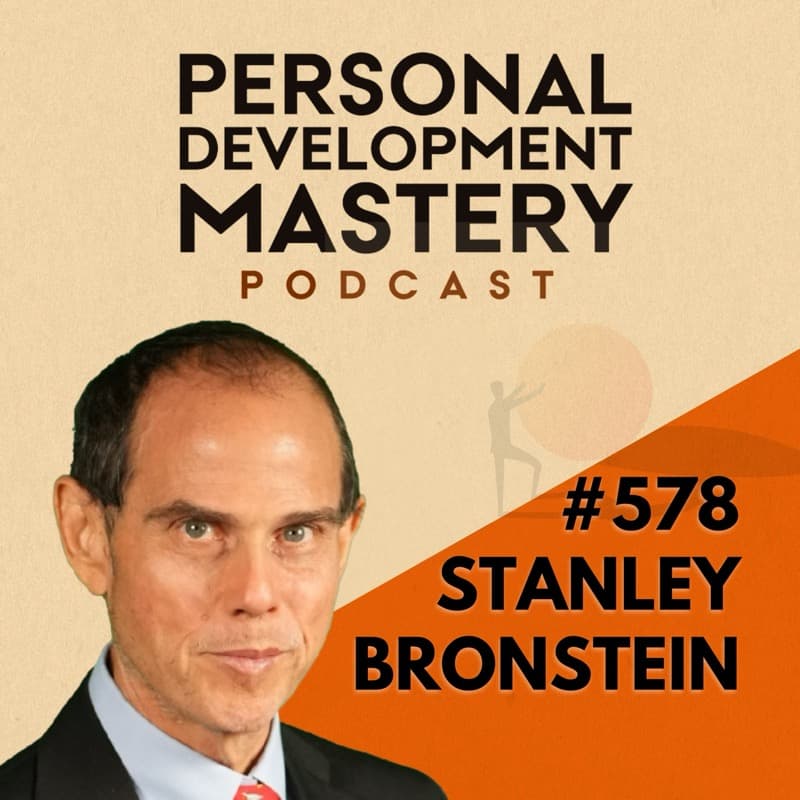
At some point in midlife, many people find themselves stuck in a frustrating place. They know exactly what needs to change, yet nothing shifts. The gap between knowing and doing becomes a heavy burden. In this powerful conversation, personal transformation expert Stanley Bronstein shares how he closed that gap in his own life, and how you can do the same.
Stanley’s story is one of radical personal change. Once weighing 367 pounds, he has now kept over 220 pounds off for 17 years. But what is most compelling is not the weight loss itself. It is the mindset and system that made such change not only possible, but sustainable.
The Moment of Truth
Stanley describes a pivotal moment at age 49. Having already lost some weight, he was sliding backwards and approaching 320 pounds. As he looked ahead to his 50th birthday, he asked himself a powerful question: "Where will I be in five years if I keep going this way?"
The answer that came to him was stark: "Dead."
That brutal honesty became what Stanley calls his "rebirthday" — the day he stopped tolerating his own excuses. He made a bold declaration to his wife and, most importantly, to himself: change starts now. Not tomorrow. Not next week. Right now.
This moment was not just about weight. It was a decision to stop tolerating anything that was not serving his health, energy or future. It was a personal revolution, grounded in full responsibility.
From Knowing to Doing: The Power of Perspective
A key question explored in the episode is this: Why do so many people know what to do but still not do it?
Stanley’s answer is both practical and philosophical. He introduces the concept of learning to "tell it like it is" — being honest about where you are, but also taking action from that truth.
But there is another layer: language and perspective.
He explains how shifting from "I have to" to "I get to" changes everything. When something feels like an obligation, it becomes heavy. But when it feels like a privilege, it becomes lighter, more energising, even joyful.
"I get to walk today."
"I get to eat in a way that supports my body."
"I get to improve my life."
This shift might sound small, but it rewires how we relate to daily actions. It builds emotional momentum, which over time, becomes identity.
The Four Pillars of Sustainable Change
Through his own transformation and work with others, Stanley developed a system based on four pillars:
Willingness
You must be willing to do what it takes for the rest of your life. Not just for 30 days or until a number appears on the scale. True change is a lifelong journey. But willingness is not sacrifice — it is a gift. When you see change as something you get to do, willingness becomes a source of power.Belief
You must believe you are capable. Stanley reminds us that we are all more powerful than we imagine. The problem is not capability but self-doubt. When you begin to act from belief, everything shifts. You show up differently, with more energy and resilience.Discipline
This is not about punishment. It is about creating and sustaining habits that support your goals. Stanley cut out alcohol, soda, and unhealthy foods. He committed to walking every day, and has walked over 5,000 miles in a single year. Discipline becomes easier when it is aligned with your identity and values.Commitment
100% commitment removes decision fatigue. When a person is fully committed, there is no negotiation. Stanley shares that it has been nearly eight years since he last took a day off from walking. This is not because he is perfect, but because he is committed. Commitment simplifies life.
Excellence, Not Perfection
One of the most liberating takeaways from the conversation is Stanley’s distinction between perfection and excellence. Perfection is rigid, unrealistic, and often paralysing. It leaves no room for mistakes, either from yourself or others.
Excellence, on the other hand, is about doing your best with what you have — and then getting better over time. Stanley calls himself a "good-enoughist", not a perfectionist. This mindset allows for growth, self-compassion and persistence.
He encourages listeners to embrace the idea of constant and never-ending improvement — a philosophy that has carried him through 17 years of change.
The Importance of Purpose
Lastly, Stanley touches on the importance of having a purpose. Change is not sustainable in a vacuum. Whether your purpose is to build a garden, care for your family, or serve others through your work, having a reason to get up in the morning fuels the actions you want to take.
Stanley himself has no plans to retire. Despite having the option to step back, he chooses to keep serving and sharing because he enjoys it. Purpose gives his discipline meaning.
Final Thoughts
This episode is a potent reminder that change is not only possible, it is within reach. The most powerful transformations begin not with external circumstances, but with a decision to take full ownership of your life.
You do not have to do it all today. But you get to begin. Right now.