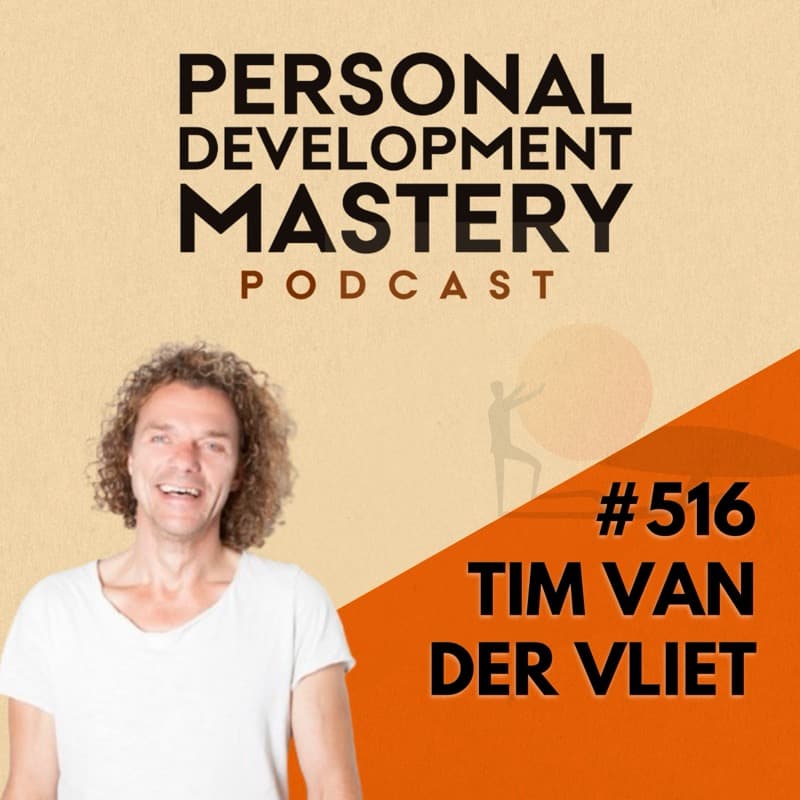
In a world where stress often feels like the default setting, the simplest solution may be the most overlooked. Breath. It is something we all do, unconsciously, thousands of times a day. Yet, as breathwork expert Tim van der Vliet reveals in this thought-provoking podcast episode, learning how to control our breath intentionally can become one of the most powerful tools for better health, mental clarity, emotional resilience, and even longevity.
Returning to the podcast after three years, Tim shares the evolution of his practice and teachings, focusing on practical breathwork strategies that anyone can integrate into daily life. From calming the nervous system during high-stress moments to enhancing long-term well-being and vitality, this episode is packed with wisdom and simple, actionable steps.
The Compound Power of Breathwork
Tim opens the conversation with a powerful analogy. Growth, he explains, is like a mathematical equation. If you improve by just 0.1% each day, that adds up to a 50% improvement in a year, and a staggering 600% over five years. That is the impact of a consistent breathwork practice. The key, he says, is simplicity and consistency. Just five minutes a day can yield profound results over time.
For those who feel overwhelmed by the idea of long meditations or complex wellness routines, this is a refreshing and encouraging perspective. Tim is clear: breathwork does not need to be extreme to be effective.
Three Ways to Use Breathwork
One of the most practical takeaways from the episode is Tim's breakdown of how breathwork can be used in three key ways:
Crisis management: When stress hits hard, using immediate breathing techniques to calm the nervous system can shift your state in just a few breaths.
Daily practice: A simple routine of five minutes each morning builds long-term resilience, increases breath awareness, and makes it easier to stay calm during daily challenges.
Deep sessions: Longer breathwork sessions, lasting 20 to 45 minutes, can create transformative effects that last for days.
Most importantly, Tim emphasises that breathwork should be accessible and safe. He teaches that it’s not about pushing to extremes but about finding what works sustainably for each person.
Techniques to Calm the Mind and Body
Tim shares specific techniques, such as the 4-2-8 breath for managing panic and stress. This method involves breathing in for four seconds, holding for two, and breathing out for eight. Practised just a few times in moments of high tension, this pattern slows the heart rate and activates the parasympathetic nervous system, which is responsible for rest and recovery.
He also introduces a signature method he developed, called TT5. It is a short, powerful routine of five deep breaths followed by a breath hold and slow exhale. Just one minute per round, it is perfect for anyone short on time. Tim describes how even a two-minute practice can change how we feel in the body and mind, leading to greater presence and calm.
Stress Management, Longevity, and Quality of Life
One of the more profound parts of the conversation explores the link between breathwork and longevity. While Tim acknowledges the science is still emerging, he believes regular breathwork improves VO2 max, a key indicator of aerobic health and longevity. More importantly, he argues, the quality of life we experience day to day matters just as much as the length of it.
Breathwork, in Tim’s view, enhances both. It helps us reduce stress, feel more grounded, and become more aware of the body. When we are more in the body and less in the head, our thoughts tend to become more positive. That shift, practiced daily, can ripple through every area of our lives.
The Cold Factor: A Balanced Approach to Ice Baths
Tim also touches on the increasingly popular practice of cold exposure. While he values its benefits, he strongly cautions against the aggressive, performance-driven approach often promoted online. He shares troubling stories of people being forced into long, intense ice baths, and warns that this can lead to trauma rather than transformation.
Instead, he advocates for a gentler, step-by-step approach. For beginners, even 10 seconds in cold water is enough. Building tolerance gradually, and always giving participants the option to step out, ensures a safe and empowering experience. Cold exposure should energise and invigorate, not intimidate.
Spreading the Breathwork Message
For those inspired to dive deeper, Tim offers an instructor programme designed not just for coaches and trainers but for anyone wanting to learn more about breath and the body. His teachings include a wide range of techniques, from gentle to intense, as well as the science behind them. A key goal is to make breathwork usable in everyday life, whether during a commute, a stressful meeting, or at home.
He also highlights the importance of community. His instructor network supports each other through shared experiences and practical advice, helping members grow both personally and professionally.
The Takeaway
Tim’s message is clear: small, consistent breathwork habits can profoundly shift your health, mindset, and life quality. You do not need hours of free time or specialised training. Just a few minutes each day, paired with awareness and intention, can build a more resilient, energised, and fulfilled version of you.
For the full episode, show notes, and links, click here.