Most of us spend our lives believing that peace will arrive once everything falls into place. We tell ourselves that once we get the promotion, buy the house, improve our health, or solve the next problem, life will finally feel calm and fulfilling.
Yet life rarely works that way.
There is always another challenge waiting around the corner. Circumstances change, expectations shift, and new uncertainties emerge. If our sense of wellbeing depends entirely on external events, we are constantly at the mercy of forces beyond our control.
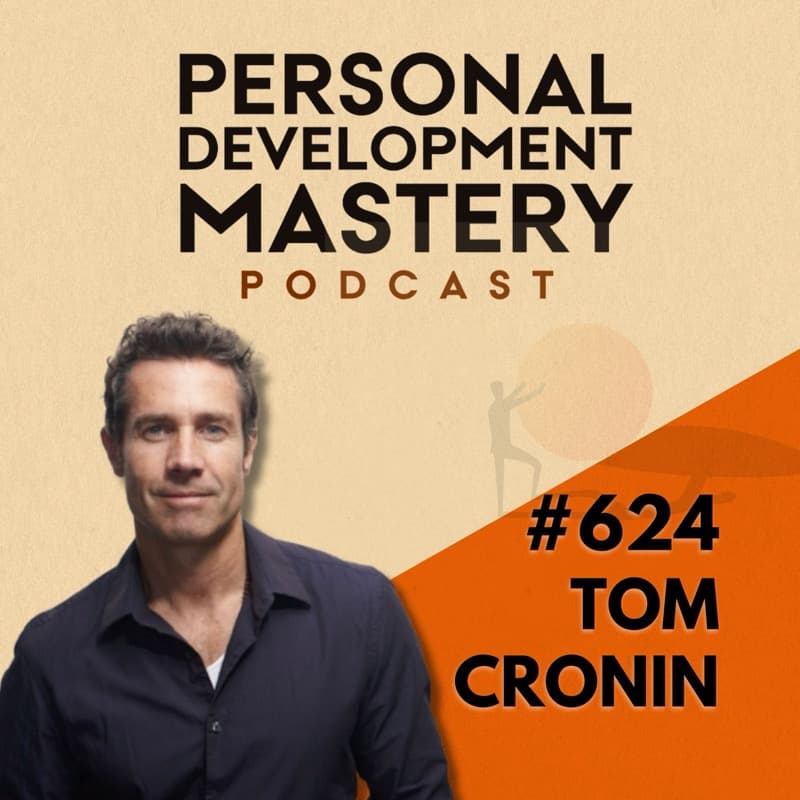
In this episode, meditation teacher Tom Cronin shares a refreshing perspective. Rather than waiting for the world to become peaceful, we can learn to cultivate peace within ourselves, regardless of what is happening around us.
Meditation Is More Than Sitting Still
Many people think of meditation as simply closing your eyes for twenty minutes each day. While that practice is valuable, Tom explains that the real purpose of meditation extends far beyond the time spent sitting quietly.
After decades of practising Vedic meditation, he has found that the greatest transformation happens outside the meditation itself.
Over time, the calm awareness developed during meditation begins to appear throughout everyday life. Whether driving, eating, working, or having conversations, there is an increasing ability to observe thoughts and emotions without immediately reacting to them.
This quiet witnessing creates space between stimulus and response, allowing us to make wiser decisions instead of operating on autopilot.
Measuring Progress Differently
One of the biggest misconceptions about meditation is that progress should be measured by the quality of each meditation session.
Many people wonder whether they are doing it correctly because some sessions feel peaceful while others feel busy or restless.
Tom offers a different way of looking at progress.
Rather than judging the meditation itself, ask whether your experience of life is changing.
Are you sleeping better?
Do stressful situations affect you less intensely?
Are your relationships becoming calmer?
Can you pause before reacting emotionally?
These are often the real signs that meditation is having a profound effect. The practice itself may look much the same, but your relationship with life gradually transforms.
The Difference Between Chasing Fulfilment and Living From It
One of the most thought provoking moments in the conversation explores the difference between acting for fulfilment and acting from fulfilment.
Most people spend their lives searching for satisfaction through achievements, possessions, experiences, or recognition. While these things may provide temporary happiness, they rarely create lasting contentment.
Tom shares the story of an incredibly wealthy individual who appeared to have everything society associates with success, yet was deeply anxious, depressed, and angry.
The lesson is simple but powerful.
External success cannot permanently satisfy an inner emptiness.
Meditation encourages a different approach. Instead of constantly seeking fulfilment from outside ourselves, we begin to connect with a quieter, deeper source of contentment that already exists within.
From that place, our actions naturally become less about getting and more about contributing.
Silence Reveals What Noise Hides
Another fascinating part of the discussion centres on silence.
Modern life is filled with constant stimulation. Phones, emails, podcasts, social media, and endless distractions leave very little room for genuine stillness.
When we finally experience silence, whether during meditation or on a retreat, something interesting happens.
We begin to notice the repetitive patterns of our own minds.
Thoughts that were previously hidden beneath the noise suddenly become obvious. We see recurring worries, limiting beliefs, and habitual ways of thinking that quietly shape our behaviour every day.
Although this can sometimes feel uncomfortable, it is also the beginning of real change.
After all, we cannot transform patterns we cannot see.
Why Peace Matters More Than Happiness
One of the most memorable ideas from this conversation is the distinction between happiness and peace.
Happiness naturally comes and goes. It often depends on circumstances turning out the way we hope.
Peace is different.
Peace remains available even when life is difficult.
It does not mean avoiding sadness, disappointment, or uncertainty. Instead, it means experiencing these challenges without becoming completely overwhelmed by them.
This state of equanimity allows us to move through life with greater stability, resilience, and clarity.
Rather than constantly chasing emotional highs, we learn to appreciate the steady foundation that inner peace provides.
Learning to Trust the Process
Towards the end of the conversation, Tom reflects on fear and trust.
Fear still arises for everyone, including experienced meditation teachers.
The difference is that fear no longer needs to take control.
Tom suggests that fear often appears when trust disappears. When we reconnect with trust, whether that is trust in ourselves, in life, or in something greater than ourselves, fear naturally begins to lose its grip.
It is a reminder that although we cannot control every event in our lives, we can choose how we meet those events.
That choice becomes much easier when we have cultivated stillness within.
A Daily Practice That Changes Everything
Meditation is not about escaping reality or becoming detached from life.
It is about becoming more fully present for it.
Even setting aside twenty minutes twice a day can begin creating lasting changes in how we think, feel, and respond to the world around us.
The goal is not perfection.
The goal is becoming less reactive, more aware, and increasingly connected to the peace that has always been available beneath the noise.
In a world that often encourages us to keep chasing the next achievement, perhaps the greatest transformation comes not from adding more to our lives, but from discovering what has been within us all along.