I still remember the moment the silence broke. It was the morning of day ten, and after ten days without speaking, without eye contact, without so much as a nod to another human being, I turned to my partner Thoko and we finally spoke again. She looked at me and said something I will never forget: "I wish I could bottle that smile that you have now." It was not my usual smile. It was something quieter, something that came from somewhere deeper.
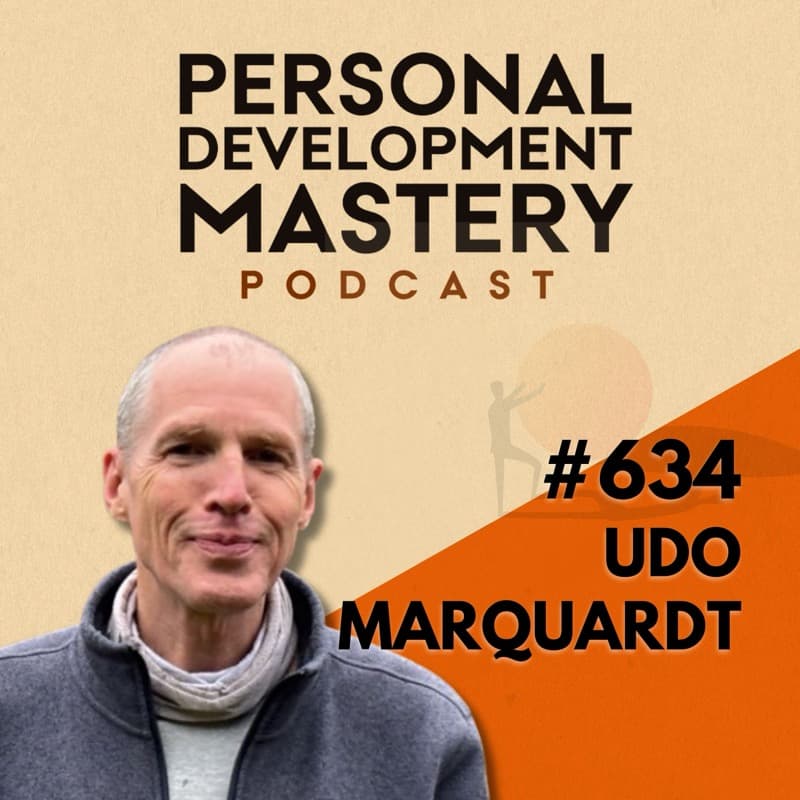
That smile is what led me to sit down with Udo Marquardt, an assistant teacher of Vipassana meditation who first attended a course in 1998 and has been serving and teaching ever since. I wanted to understand, properly, what this practice is, who it is for, and why ten days of silence can leave such a lasting mark on a person.
Why People Come to Vipassana
Udo shared something I found genuinely moving. He described how his own teacher, Goenkaji, used to say that people come to Vipassana carrying a seed. Some come to plant that seed for the first time. Others come to develop a seed they already carry from somewhere in their past. Either way, something within them is ready.
He was honest about the numbers too. More than a million people have taken a Vipassana course since 1969, which sounds like a great deal until you set it against a global population of nine billion. It remains rare. And I think that rarity matters, because it tells you that the people who do come are not doing it lightly. They are, as Udo put it, hard-working people, executives, sceptics, seekers, all sitting through the same eleven hours a day of meditation, all working seriously at something most of the world has never tried.
What the Ten Days Actually Look Like
If you are intrigued but hesitant, and I understand that hesitation because I felt it myself before my first course, Udo's explanation might reassure you. The technique is taught in stages. The first three and a half days are spent developing concentration simply by observing the breath. Only later does the practice move into scanning sensations throughout the body, which is where the real work of Vipassana begins.
Udo was clear that nobody expects perfection. The mind wanders, again and again, and the work is simply to bring it back, gently, repeatedly. This is not a retreat where you arrive already skilled. You arrive willing, and the days themselves do the rest.
Awareness, Equanimity, and the Root of Our Reactions
The word that stayed with me most from our conversation was equanimity. Udo explained how the practice trains you to feel a sensation, whether pleasant or unpleasant, and simply observe it without reacting. Over time, this is what begins to loosen the grip that cravings, anxiety, and old habits have over us.
I shared with Udo something I noticed in myself after my own course. A craving might still arise, but my awareness of it had grown so much that I could simply watch it rather than be pulled along by it. And, almost every time, it passed on its own.
Udo spoke about how this shows up in people's lives well beyond the meditation cushion. People who drink daily find themselves drinking less, not through willpower or discipline, but because the craving itself softens. People who struggle with anxiety learn to recognise the sensations behind it rather than being swept up by the story their mind tells about it.
Why the Word "Happier" Matters
At one point in our conversation, I said plainly that this practice, at its core, helps you become happier. Udo agreed without hesitation. Not happier in some fleeting, circumstantial sense, but happier as something that comes from a steadier relationship with your own mind.
And that, I think, is why this conversation matters, whether or not you ever sit a ten-day course yourself. The deeper lesson Udo shared is one about volition, about the difference between what we do and why we are truly doing it. That question is worth sitting with, silence or no silence.
A Free Course, Worth Considering
One detail worth repeating: the course is entirely free. There is no charge to attend, only the option of a voluntary donation at the end. If something in you has been leaning towards this while reading, that is worth paying attention to.
Stand out, don't fit in.