As an epilogue to the special 3-part feature on Gaianet, in this episode I share my thoughts about the feature, and my reflections on the journey and what I've learned.
Listen in!
𝗞𝗲𝘆 𝗽𝗼𝗶𝗻𝘁𝘀:
* Why did I create this audio feature
* The butterflies, Cornwall, and the inspiration
* The project wanted to be created, to be expressed, through me
* And some exciting announcements about the next episodes of the podcast!
𝗔𝗯𝗼𝘂𝘁 𝘁𝗵𝗲 𝗵𝗼𝘀𝘁:
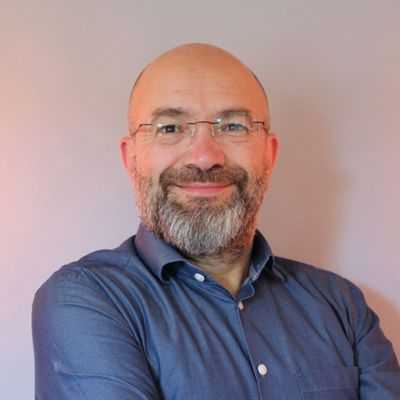
I am Agi Keramidas, a knowledge broker and podcaster. I firmly believe in the power of self-education and personal development in radically improving one's life.
𝗚𝗲𝘁 𝗶𝗻𝘃𝗼𝗹𝘃𝗲𝗱:
#PersonalDevelopmentMastery
___
Episode Transcript
___
Welcome to personal development mastery podcast, Episode 163. Today, I will share my thoughts about the special podcast audio feature of Gaianet, which I presented over the previous three episodes in three parts. To give you some context, in case you haven't listened to it yet, I will say that Gaianet is a global community connecting, heart centred purpose driven changemakers working together towards a harmonised world and growing the roots of a new earth. This podcast feature took a significant amount of effort and time from my part, and I have been reflecting on it. And the reason why I decided to make an audio feature about Gaianet in the first place. I have discussed it extensively in Episode 159. But again, just for the sake of context, I will briefly share here that in 2020, with covid and the lockdown session realise that instead of trying to fight against those changes that were happening, this loss of freedom, this censorship, and so on, I decided to put my energy time and effort instead into creating something new. That's something I've mentioned a few times recently, but I think it is so pertinent. And it is something that Buckminster Fuller said, Buckminster Fuller was one of Einstein students. And he said that you never change things by fighting the existing reality. Instead, if you want to change something, build a new model that makes the existing model obsolete. And if I were to take this phrase and break it down and use it with what is happening in the world, right now, in the era that we're living, there exist in reality is the the institutions that we have as people, given the power to like the governments, the big corporates, the banks, and this is the existing reality, and we can't change things by fighting against it. Instead, we have to build a new model that will make this existing model obsolete. And, of course, for many people, it is very difficult or impossible to even envision a model like that. And that's why I was instantly intrigued and fascinated and inspired by the guys at Gaianet, because they have an vision date. And because they are working with other groups of similar mission around the world. So hundreds of groups 1000s of people around the world that are working towards creating this new model, this new word, if you wish.
If I can distil some wisdom from my conversations with them, co founders and core contributors of Gaianet, there is a phrase that I think it's so important. And that phrase was to allow ourselves to dream, to dream about a better future, a better world. Somehow we have forgotten about our ability, our gift, to dream. And we're constantly in a battle with everything that is happening in our life in society and generally, but we have to take the time and shift our attention and allow ourselves to dream about a better world. I wanted to share with you some of the things that I've learned through the process of creating this feature, which for those of you that have followed my podcasting work, overtime, you would instantly recognise that this is something completely different. So I think oh clearly knew that I have never done before.
And in order to explain some of the things that I've learned, allow me to tell you The story of how this features about Gaianet came to happen in the first place. And it was back in January this year 2021 that the initial idea came to me to interview all the co founders of Gaianet. At that time, I was already a part of Gaianet. So I was, I knew about the people, but I hadn't noticed the opportunity to connect with them. So I thought it was a good idea to interview these people in the same way. Like I have interviewed 150 people for my podcast. Eventually, after a few months, I did the interviews, and I had some common questions that I wanted to ask all of them. And one of the things that I learned very quickly that was that I realised I had to adjust and tweak these questions because of each one's unique point of view. And another interesting thing I remember when I did the last interview, I will still saying I'm not sure exactly how I'm going to present these interviews. But I'm sure it's going to come to me and I had left it like that. And honestly, I had no thought of how would this happen, what it would turn out to be, I thought that it would just be five interviews in the role in a row, one after the other. And then I got inspired. And that was something that changed very much everything really. I got inspired by one of my other guests, my producer in the podcast, Mark Gober, who I interviewed in Episode 132. Mark Gober has an outstanding podcast feature called, where is my mind. And I will have to digress here for a moment and urge you to check it out. Because of the content it contains, it might be one of the most important pieces of information or points of view that you will ever receive in your life. And after I read his book, I put it in in the list of the most important books that I have read, and the book is called the end to upside down living.
So anyway, coming back to what I was saying earlier, I got inspired by listening to Mark's podcast. And that was actually during my summer break, we're in sunny Cornwall, in in the UK. And while we were driving around who would listen to mark Cobras podcast, and I very much enjoyed the way that he was presenting his point. So that gave me really the inspiration on how to present the guy in that feature. And then it was really a matter of deciding when to put it out. So I set myself a deadline. And I said, I'm going to put it out on episode 160, which was in September, I announced it to the people from Gaianet, it and this way I made myself accountable public publicly, and then I had to work towards that deadline. And it took a lot of work. A very big deal of work, and I enjoyed so much working on it and and that's the important thing I feel, the more I reflect on it, the more I feel that it is. And it is a project that I have a deep joy and fulfilment that I created and in some ways I I feel that it wanted as a project as a feature. It wanted to be created and they wanted to be expressed. And I feel that I merely facilitated that happening like I was there the vessel through which this feature was created. And some of the learnings one thing I remembered was when I had the first interview of the feature and that was with Bart Hoorweg.
I told him before we started recording that you know what I have? I have had over 100 interviews in the past but Today I have butterflies in my belly because it felt like it was something different something out of my comfort zone. And I cared that I wanted to present it in a very good way without really knowing at that time, why? One other learning was how absorbing the task was. And when I say absorbing, I mean in terms of, I would get lost working on it, the hours would go, and I will not realise door. Throughout this period, I did have other inspired ideas that tweak them direction of the project or the way it was presented. And there were also other people that came along the way and gave me some feedback or some nods here in their centre. One of the most notable one was a great creative idea that makes a massive difference. And that was by Barbara Lima from Gaianet, who gave me the idea to present this feature in three episodes. And that makes a very big difference. I hadn't thought of doing it like that before. It made a big difference because I was able to split the the content the episodes into a way that made sense for the listener to follow.
So in brief, the first part of the feature was answering the essential questions, what is Gaianet and who is it for, and it is answered by the people, the co founders and co contributors of Gaianet. And they also share their thoughts on the current global situation that we're in. And the two timelines that it said that humanity could go. In the second part of the future, we went deeper into the stories and the milestones of the people themselves, and also their spiritual journeys and the role that plant medicine and I Raska played in that. And in the last in the third part, they talked about creating something different the vision and future of new words, the light cities, the harmony villages, living from the heart, and what's most important of all, what is it that we can do that you can do that I can do to contribute to the, to this co creation of a better future. So this was a reflection of the podcast feature about Gaianet. And on the next episode and episodes, actually, I'm going to go back into the more usual, shall we say, four month, I have some amazing, extraordinary interviews lined up for you and some big changes in general, which I'm going to share more about over the coming weeks. So if you haven't yet listened to the episode 160 the beginning of the Gaianet features I certainly recommend it. It is a 20 minute episode and very quickly into it, you will have a very good idea of whether this is something that you are aligned with or not should take some time and listen to it. Thank you for listening and until next time, stand out don't fit in
Transcribed by https://otter.ai

 5.00 (74 Reviews)