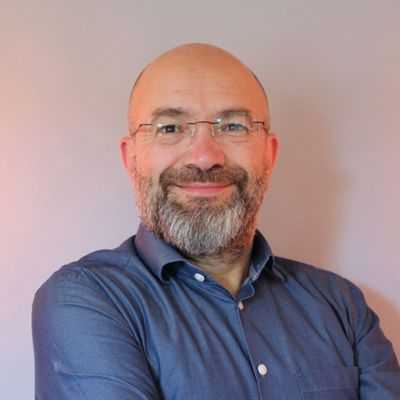
Dr Stephanie Zgraggen is a chiropractor, a functional medicine practitioner and certified clinical nutritionist that has been in private practice over 15 years. She is also an author and leading expert in women’s hormones and health. Her mission is to empower women with the knowledge and skills to balance their bodies and feel their best, so they can transform their lives and fulfill their mission.
𝗞𝗲𝘆 𝘁𝗮𝗸𝗲𝗮𝘄𝗮𝘆𝘀:
* How stress impacts our hormones, productivity, and personal development
* Listening to our intuition and gut
* Become the detective of your own body
* A paradigm shift for self-care
* Vitamins made from food and what to look for in a supplement
𝗩𝗮𝗹𝘂𝗮𝗯𝗹𝗲 𝗿𝗲𝘀𝗼𝘂𝗿𝗰𝗲𝘀:
Website: https://drzgraggen.com/
Dr Stephanie's free eBook: https://drzgraggen.com/morning-detox-sign-up/
𝗠𝗲𝗺𝗼𝗿𝗮𝗯𝗹𝗲 𝗾𝘂𝗼𝘁𝗲:
"You don't have to rush everything. You can slow down and take your time."
-Stephanie Zgraggen
𝗔𝗯𝗼𝘂𝘁 𝘁𝗵𝗲 𝗵𝗼𝘀𝘁:
I am Agi Keramidas, a knowledge broker and podcaster. I firmly believe in the power of self-education and personal development in radically improving one's life.
Here's my Essential Personal Development Blueprint: bit.ly/agiscourse
Join my Facebook group for personal development, inspiration, and actionable knowledge: bit.ly/pdmgroup
#PersonalDevelopmentMastery
_____
Episode Transcript
_____
0:03
Welcome to the personal development mastery podcast. I'm Agi Keramidas. And my mission is to inspire you to grow, stand out and take action towards the next level of your life. I interview leaders, authors, successful entrepreneurs, spiritual teachers, exceptional people who will inspire you to improve your life. Tune in for two episodes each week, and make sure you subscribe to get them as soon as they are released.
0:36
In today's show, I am delighted to speak with Dr. Stephanie Zgraggen. Stephanie, you are a chiropractor, a functional medicine practitioner and certified clinical nutritionist that spinning private practice over 15 years now. You're also an author and leading expert in women's hormones and health. And your mission is to empower women with the knowledge and skills to balance their bodies and feel their best so they can transform their lives and fulfil their mission. Stephanie, it's an absolute pleasure to have you with me today. Thank you again. I'm so grateful to be here and have this conversation with you today. So who am I? And Stephanie. So we'll start with a little bit of background, a little bit of context. And
1:28
I would actually like to start by asking you from your story. What was your why the reason why you became this person and doing what you're doing today. So take us back and paint a picture for us. Yes, there's going to be a picture that goes back almost 20 years at this point. But when I was in chiropractic school, it's very gruelling work, you know, you're going to school 40 hours I was in my senior year at that time, I was preparing to graduate, I was also studying for all the board exams, we have to do to be licenced after you graduate and actually become a doctor. I was also engaged. So I was planning a wedding, I was planning to move across the country, I was planning and opening up a practice. All these things are going on in my life in a very short six month period of time. So I would say I was very, very stressed. And that stress was manifesting itself in my body. And the way that it manifested was in changes in my menstrual cycle. It literally got to the point where every month when that time came around, I was in a lot of pain. I was in bed, I couldn't do anything. And then it continued to get worse to the point that every single month I would have this terrible migraine wake up with nausea. I was vomiting. It was just no place to be it was not fun at all. And I think the breaking point for me at that point was when I woke up one night with night sweats, hot flashes, night sweats at 23 years old. No, that is not normal at all. And you know, so typically we go the traditional route where we go to the gynaecologist and that for the ladies, that's where we go. And I had a male doctor who did some bloodwork and said, All my bloodwork was, quote, fine, and everything looked good. And this was normal. And I said, Absolutely not, you know, having having to literally change my life around in having this control my life and my every facet of it during that time was not normal. And his options were, well, we can either give you birth control, or we can start cutting out body parts. And being in school, you know, more than the traditional, natural type school that just didn't sit well, it just didn't feel right to either. And so that took me on a journey to really discover what else is out there. You know, this, this, you know, this traditional doctor that I went to, he had no answers for me, he said everything was fine. He said my lab work was normal, you know, but this is not normal. So that's where I really discovered functional medicine and what that really means. And, you know, for people that don't know what functional medicine is, it really is, when we look at going to the doctor many times are looking to see if you have a disease and it's kind of black or white, you either do or you don't to there's no grey area of, well, you're not feeling your best. So let's work on that. And in functional medicine, they look at lab work a bit differently, you know, instead of you know, very big ranges, we know they're much more focused in the in the ranges on your bloodwork and lab values that you do. And when I did my own labs, I found out that I was a hot mess. You know, my my oestrogen levels were high, my progesterone levels were low. My stress hormones were out of balance. And from there, I said, Okay, it was nice to finally have an answer to know that it wasn't in my head because for so many women and patients that I see if they don't get an answer right away, the doctor literally just pushes an antidepressant prescription at them and that's kind of the options. So from there I wanted to go and research you know, what can I do naturally to fix
5:00
So over the course of a year, I looked at different foods, herbs, you know, non traditional routes to take to balance my hormones out. And now 20 years later, I can tell you, I don't have any pain, no more migraines, no more nausea and vomiting. And I was in the chiropractic field for a number of years, I've really stepped into just working with patients on a functional medicine, Clinical Nutrition level for the last, I'd say eight years now, only. So that's, that's my why I fixed myself. And then once you fix one, and you fix a friend, then the rest kind of tumble in, so to speak. So that's what I've been doing here in clinical practice for the last number of years. And that is my why.
5:43
What I find, and it's inevitable to discuss this in this conversation, because I also have
5:52
a big interest in it is the approach of Western medicine, in solving a health issue. And I'm mainly talking about the chronic problems or the the all these situations that there is no abuse, or clear reason why. So what you were saying about you can either have medication birth control, which will change, God knows what in your body,
6:25
or the other is to have surgery and out of body parts. There are both unfortunately, very
6:34
common, if, if not the only ones, but most physicians, most doctors would only utilise this approach to solving a health problem. And I wanted your comment on that on a little bit broader scale. And then we will go down to more detail about stress and what you're really working with. But
7:00
tell me a little bit what what do you think, is there any solution to all this
7:06
dogma of Western medicine? Yes. And and I think what I've seen over the last, you know, decade, let's say is that more and more people aren't accepting the Well, here's the pill, or here's the surgery as the answer, you know, they're wanting a better answer a better choice. So they're starting to kind of search out. And this is why I wanted to have our discussion just to kind of get the word out there that there are other practitioners and different types of providers that Do you know, other things that might not be the traditional route? We do, we do the same lab tests, but we look at it differently, we have different options for patients. You know, a good example is just yesterday, I had a phone call with a woman who has a thyroid condition. And when I looked at her labs, I'm like, actually has your doctor told you it's auto it's an autoimmune case. Now she's like, Oh, no, no, this poor woman has an autoimmune case. But the biggest challenge with traditional medicine is they're not going to treat her any differently that now that she has an autoimmune thyroid disease, versus if her thyroid numbers were, you know, her lab numbers were out of balance. So there's so much that I can do from a nutritional from an herbal perspective to help her with her immune system in that autoimmune capacity now to to help with that balance. So she was Florida after our point, because she's like, Well, my doctor doesn't talk about this, they don't know these things. And I think in America, sometimes they're the doctors hands are tied, you know, they have very quick appointments, you know, you might see your doctor five, maybe 10 minutes. And they're just kind of going through an algorithm of if this, give this if that than that, and they don't really have the time to spend with their patients. You know, for me, I've made it a point to really make sure I give that time I, my new patient appointments an hour long with the patient, and then follow up for about a half hour. So we're really being able having the time to dive deep to really go with things. And this isn't to say too, because I know I mentioned symptoms, I get symptoms are no fun for anyone.
9:00
I also want to make sure I control symptoms. But there's a point where you could use herbs or supplements or food as drugs, you know, there are certain, you know, nutrition supplements you could take to cover your symptoms. But then as soon as you take that away, the symptom comes back. So what I tried to do to you know, in, in, in functional medicine and in my practice is really looking at the why, you know, why do you have that problem and really focusing on balancing that that whole system out because about systems balanced? You no longer have to take the whether it's a drug or herbs or supplement for your heartburn. Let's say your digestive system is working right you don't have indigestion, you know, so little things like that, that go along a long way with the patients. They're making things but they're very big things because you're just labelling something, this disease or labour in this person us. I don't know a diabetic or something. That's not a solution. You put in everyone in the same box and provide them the same
10:00
treatment? It's.
10:03
And I'm glad that there are more and more. Now, these other approaches which are getting more and more well known and people are more open, if to question their doctor, if what they what the doctor says doesn't really go down very well. Yeah, there is also always a plan B. And you can look online and find different approaches as a first step. And yeah, it's definitely some we talk a bit more specifically about stress, because you it is something that I mean, there are very few people that I know that they say they don't have it. I don't know if it's true or no.
10:50
Absolutely, it is something that in modern society with the way that we operate.
10:56
We all have, to some extent anyway, some more than others. So let's talk a little bit first about stress and how it affects us. And
11:09
mainly in terms of, let's say, our productivity.
11:14
Everything that we do really our day to day life, because it's subtle sometimes, isn't it? We don't necessarily call it stress, but it's under the surface. Yes. And I think we need to maybe give a definition of stress and the kind of categories that it comes with, because you're right, we think of stress as well, I'm stressed at work, or I had a fight with a spouse, or my kids are driving me crazy, like we think of those stresses. But it can be so much deeper than that to you know, we've got physical stress, you know, if you're working out all the time you're training for a marathon, you're putting physical stress on the body, we can talk about mental and emotional stress, you know, you got in that fight with your spouse, or your kids or, you know, summertime kids are home, you're driving you nuts, we've got that type of stress, we have biochemical stress, if your body is out of balance that puts more biochemical stress on the body. So a good example of that is if you're someone that's taking 10 different medications, you're definitely putting more biochemical stress on your liver, because your liver has to process all of those medicines through the body. And then finally, we have a lot of chemical toxicity stress. You know, here in America, we have toxins everywhere. I know, it's sometimes not as bad in other countries, but between pollution, all the chemicals we put in the foods now are adding 5g everywhere, you know, so we're getting all these electromagnetic stresses and everything else. So all of those combined, I think are creating this perfect storm of additional stress on the body, and additional toxins that we as humans never had to deal with to this degree in this level. So one thing that I'm always talking to my patients about is how do we either minimise those chemicals poisons, toxins stressors in the body? And how can we either just eliminate them completely? Or how do we help manage the processing of those? And not everybody, male, female, five years old, 95 years old, it doesn't matter. We're all experiencing these types of issues. And in today's world in today's society?
13:13
How could we start identifying the stressors this because I suppose they're very different from person to person. Some you mentioned some examples. So already, but is it something that how would one go more into realising that? Yeah, absolutely. We could look at it from kind of the external route for your audience, just start thinking of, you know, do I live close to a new cell phone tower? You know, have has has things changed? Once I've introduced something to my life, if I introduced a new medication, have I been tired or have my has my sleep changed or digestion changed since that so little things like that, the easiest things we can do is start cleaning up our diet, you know, trying to eat as minimally processed foods as possible. I'm drinking clean water, avoiding just any kind of chemicals, even our, I guess toiletry items have a lot of chemicals in them that can be they're called endocrine disruptors. But what that means is they mess with your hormones. So really looking for cleaner products that have the least amount of ingredients is a great place to just start that that cleaning out process. So I think that's one way the external. The next way is the internal factors, you know, how your how's your body responding to this because our body is very great at giving us signs and symptoms. Some of them are subtle, sometimes we think they're just a process of ageing, when there may be other things. And I'll give this to your audience. If anybody emails me after the show, I have actually a questionnaire that I can email them back that's literally looking at how these different factors affect the body. So I'm happy to shoot them on that questionnaire and there they can do it at home to just assess where the areas in their life might be where they could be cleaning up some of these toxins and chemicals, but looking at
15:00
Different fatigue levels, you know, at every age of our lives, we should wake up from sleep feeling refreshed and have energy to get through the day, and then nicely fall asleep at night. If you're tired and wired at night, if you are dragging, like 10 o'clock in the morning, if you feel like I don't, I can't literally get started till I have that third cup of coffee. Those are all just some of the symptoms, that the glands that handle our stress aren't working at their their peak performance.
15:28
You said something and I'm going to digress just a tiny bit here so that our body is very good at giving us the signs and symptoms. Unfortunately, we're not very good at listening to what it says. It's very accurate once we understand how to,
15:48
you know, listen to it. So any tape on that on listening to what our body tells us? Yeah, I think it's I think it's getting quiet with yourself to really be able to listen back to the issue with the whole doctor, if you go to the doctor and don't get an answer, and that little nagging feeling in your gut just doesn't feel right. Get the second opinion, go for it, you know, by all means I, I recommend all my patients definitely get a second opinion ask other people. I mean, even with me, I say, heck, you know, research what I'm giving you because I give my patients articles to read things to do. I said, Please research at all because I know that if you've done your homework and you feel confident with what you're doing, when you're going to be more compliant, I'm a patient to do it, but to your success level is going to be higher as well. I think that's one piece of the puzzle. The other thing is just learning to be a detective of your own body. So I tell my patients when they first come and see me, I like to call myself the Nancy Drew of nutrition, I think we have to do is probably copyrighted. So I can't really make myself that. But I really feel like I'm a detective of the body. Because with each patient, you know, two different people might come up with the exact same symptom, but the reason why they have those symptoms are completely different reasons. So their treatment plans are going to be two different treatment plans to help them and both trauma plans will work. You know? So it's it's customising things for the patients. It's really being able to be your own detective. And so how can you be your own detective is usually the next question is really start looking for subtle symptoms that you have or little things that you call them the nagging symptoms like oh, my digestive system is always off or so then start trying to look for patterns, you know, is it always a certain time of the day? Is it after certain food groups, you know, some things we can start looking at from that perspective. And then if you if you can't figure it out yourself, that's one of my time to bring in a professional to kind of help you. wade through the weeds, so to speak, and and figure it out more specifically, thank you for this answer and looking for patterns. And
17:49
rather, it's something that is I think it's very important because when you have something often a symptom, I mean, often, many people will tend to really not on not realising that it is normal. Or they would go to the doctor again and get something to treat the actual symptom of it and carry on chronically, with. And I'm generalising now but it is
18:18
when we realise that every time I when is it that I feel bloated? For example? It is every time I have this, it's a great first step. That's how I look at it. No, absolutely. And, and the other thing too is if you always, if you always also, let's say for pain, for instance, or headaches, if every time you have a headache, you take a pain medicine, then it's hard when we have a conversation to give me the answers that I want, because I'm going to be asking you, how long does it last? You know, how severe does it get? Do you get nauseous, you know, issues with like light sensitivity, hearing sensitivity. And if you take something that even though the process, the physical process is still going on in the body, you just have cut off your body's ability to feel it, you really can't answer the questions. So really just getting more in tune with with the body, I think is really helpful to practitioners like me, because the more data that you can bring to me as a practitioner, definitely the more specific I can be in creating a game plan and a protocol that I can give you.
19:21
Yes, getting in tune with the body as you said it and
19:25
as you know, unfortunately, many people are conditioned to
19:30
to find a solution elsewhere rather than and you mentioned the example with the headache. I think it's a wonderful example because most people if not every single person has had that experience. The body's trying to tell you something just by drown in it with a brain killer.
19:50
Especially if that happens over and over again. It's it's really not the solution. You're just hiding the problem under the carpet.
20:02
There is
20:04
one other thing that
20:07
and I'm going to begin 10th direction, whether they want to discuss and that is nutrition and more specifically supplements and you mentioned them earlier. So
20:20
in a nutshell because of obviously we would be talking for hours for this particular topic that I want us to touch on this in particularly the the supplements.
20:31
Is there a right or wrong? Is it something that is needed to be highly customised for each person? Are there some general guidelines? How should one approach this supplement adopt? Absolutely. And that's a question I get a lot as you can imagine.
20:52
I think that's kind of where we are. In today's world with environment stressors, chemicals, it's probably beneficial for everyone to take some sort of multivitamin. Now when I say multivitamin, the next question is, well, how do I find a good one, and really my, you know, just across the board, find one made from food, because, you know, we have not been smart enough in a lab to play God yet. So we, you know, we think of vitamin is one thing, but truly, it is hundreds, if not 1000s of little bits and pieces and phytochemicals all put together to make up that vitamin complex. And the only way you're going to truly get the full vitamin complex is from the foods that it comes from. So
21:36
read the label, make sure it says it's made from beets and broccoli and mushrooms and you know, citrus and food, food food. So food first is where we're going to get most of our nutrition. So everyone's story is different. Do you might give me an example of what you're saying, let's say for example, vitamin D, or d3, which is very, very common, hopefully, is there a chemical version and made from food version? Yes, every single vitamin is going to have a chemically made version and a whole food version. So really, once again, looking on the label to see the ingredients you want to see different foods listed out, you know, for vitamin D, you know, one of the things I use a lot of is called liver oil, that's going to be higher and vitamin A and vitamin D natural, you know, naturally occurring in the foods for my patients. So that's a fantastic source, vitamin C, you're going to find really high in mushrooms, it's high in rose hips, it's high in different citrus foods. So looking to make sure that those types of foods are in the products that you're choosing, I think is a great place to start. And if we wanted to take it one more step and ask, Is there something in the supplements when we read the ingredients we should stay away from because there are many who which are, I'm not a specialist at all, but I have been taking supplements for a year because I believe that they are necessary. And you know, there are some
23:07
I'm trying to remember, I can't remember what it is there are some very, very common ingredients in they usually will put fillers in. And that's an order just that's the word that was looking at.
23:19
I think that was it, I read your mind, they have to a lot of times be able to make the tablets stick stick to stay together so they don't just crumble. So there's usually fillers that are in there. So finding the products with the least amount of ingredients, the ones that are food, I know that I know you're in the UK, and in the UK, you guys have much stricter laws on and food, which is nice, I wish over here in America, we put more laws into effect. But I know your listeners from all over the world. So really making sure I've seen so much junk in vitamins, it's crazy. I would avoid any supplements that have anything artificial like artificial sweeteners, they'll put in these powders now that I don't think are good, because we know that some of those artificial sweeteners ruin your gut flora, so it actually makes your digestive system worse. So that's not a good thing. A lot of them will also put in different artificial dyes and colorings. So if you see any of that in any of the supplements, I would avoid those those two, it's going to be pretty hard if you're doing tablets or capsules to avoid some of the fillers like the calcium steroids and those kinds of things. So that's kind of you take the good with a bit of the you know, filler so to speak, but obviously real food comes first and then just try to take out as much of the the junk and artificial stuff as possible when it comes to your supplements. Yes. And not you I'm sure you know very well that finding the good quality foods is is difficult or it can be difficult. We have an abundance of food around us we can just go to the supermarket and get whatever we want instantly but that doesn't mean that it's not
25:00
ratios as well even even the the fruits and vegetables which you would expect or let's say the previous generations would expect that they are enough to give their nutritional value. Now they are grown in a way that
25:14
yes, it's not exactly the
25:17
the maximum nutrition or the nutrition the food used to have, like 50 or 100 years ago, the same food I mean, yeah, it's definitely different with farming with the introduction of GMOs and genetically modified organisms. Using the pesticides and fungicides, it kills the little bugs on the plants, so then the roots don't grow as DPO we could go, we could do a whole hour just on farming, change the nutrient content of the food supply. So yes, you know, I always say if you can afford and buy organically grown produce, by all means, like that's gonna have the most nutritional value, buying locally to from local farmers, because they will pick the food closer to its ripeness, because if we pick the food's not ripe, and then it ripens in a truck somewhere, we're definitely not getting as much, you know, mineral content in there. And here's a fun thing we could have your listeners do to try to think back to when the last time you had a really vivid dream that you remembered. And think if you can't remember if it was last night, great. If you really can't remember the last time you had a really nice vivid dream. To me, I learned this A number of years ago, it was fascinating. And usually that is lack of some of those minerals. So I experienced this during that timeframe that I might shared my story that I wasn't really dreaming or remembering my dreams. So I ended up putting myself on a food based liquid mineral. Oh my goodness, after that my dreams were so vivid. I was travelling to new places in my dreams. And dreaming is important because that is really where we work out a lot of our subconsciousness. So if you haven't been remembering dreams, think about maybe adding a good multi mineral healthfully based multi mineral and see what happens. Actually, I don't remember my
27:07
I don't remember the last time I
27:10
mean, I don't know if it is only a matter of minerals. It's very rare, it would be once or twice a year that I will remember a dream, I know that I see them. Because you know when you track your sleep goes into REM, but I have no recollection whatsoever. So which which minerals is that I should, just like a basic multi mineral would be would be good. So I like you. A lot of times the liquid ones work really well for that. But try it and please email me. After you try that. I want to say we like to experiment. Absolutely. Do that.
27:49
Then something else I want to quickly touch on as well. You mentioned earlier, briefly, we'll talk about something else that something like not everything on not all the symptoms are because we're getting older. And I think that's something I would like to to have a comment on. Because we do especially after 40s, I suppose and 50s even more, take some things like oh, well, this is meant to happen, because I'm getting older. And I don't agree with that in principle, but I would like your thoughts on that? Yes, I I think that as we get older, we learn to compartmentalise our energy a bit differently. I feel like that's what I've done personally. But I still feel like we should wake up feeling good every day. And we should have the energy we want through the day we shouldn't be exhausted, we shouldn't wake up feeling that we need more sleep, you know, and I'm seeing this more and more not just with people that are older, but even people in their 20s or early 20s are coming in like I'm exhausted. So I think it can happen any any time. I think there's a number of factors for that, whether it's your body is really struggling to just keep that balance together. And
29:07
maybe medications you're on, you know, if you have a really poor diet where you're just not feeding the system enough to create that energy and those little energy powerhouses of yourselves. So I don't think that we have to succumb to the Oh, I'm old. So now I just have to sit here and do nothing. But I think we can definitely live a very active, healthy and fun lives just our entire lives.
29:30
Thank you for that. And it's
29:33
it's, it's great to look at this particular thing or from a different point of view because there It doesn't mean that when you're in your 60s, you're in your 70s or in your 80s and I might go even further because there have been examples of papers show
29:51
that they are very active, they're healthy and
29:56
it can be done by by many of us. If we
30:00
Get into a different generally like lifestyle.
30:06
It's definitely I would also like to ask you to tell her tell us a little bit more about specifically your mission to empower women with regaining this balance. So would you like to share some of your thoughts of that about your own personal mission? And please address Feel free to address the female audience here in this 100%? I'm sure the gentleman mind this part of the Congress. Yes. Well, I work mostly with women only because I think they read my story online. And they resonate with that, because they say, Oh, that's me, can you help. I also do work with men and children, too. So I guess this could be across the board. But really, my goal is to help any patient that comes to me, women, woman, man or child to really find out what is going on in the body. Like I said, play that detective, you know, if you're not having it, a lot of times, it's I just don't feel like myself, you know, you're feeling good to a certain point. And something happened and ever since then, is usually kind of the the phrase, they tell me ever since then, I just haven't felt like myself, whether it's been they haven't had the energy, their hormones have felt off, you know, their menstrual cycles, a mess, they're having trouble getting pregnant, they're tired and fatigued all the time. And they just kind of don't know what to do about it. That's the realm that I like to play in digestive issues, all those things and issues with patients, where I really like to dive deep to figure out the why, you know, why are these things occurring, you're having these issues, and really help them build their system up enough to where they feel like their own selves, again, they've got the energy they want. Because when you feel your best, you can then fulfil your mission, whatever your mission is, when you don't feel good. That's It's huge. I've been working with a woman that does a lot of spiritual work. And it was really interesting, because she came in as a patient, a lot of fatigue, a lot of challenges that she personally had. And over the course of just a few months with working, kind of clearing out some of that, working on her adrenal glands, which are her stress hormones, cuz she was very stressed out a woman. And I said, you are going to be able to connect to your source and channel better when we start balancing your body. Because when your hormones are balanced, your adrenals are balanced. If I were to balance, you have more energy to kind of reach it, reach yourself out, and your energy out to do what you do. And she she started noticing it. And she was floored at how much the the biochemical physical changes we made, helped with her spiritual connection. So it goes across all boards, you know, a lot of times we talk of the physicality of biology and your anatomy and everything else. But this goes so much further. And I didn't realise this when I first got into practice. And it was when I took I did a group detox programme, where I take patients through as a group and put them through a programme where they clean out all the chemicals out of their body. And you know, it's like a month long process. And the first time I did this, a gentleman who was forced to come because of his wife, he didn't want to be there. But he's like, Oh, my wife's doing, I'm gonna support her. But afterwards, he came up to me and he said, I was not expecting this, Stephanie, but I feel so much better. And he's like, already thought I felt good. He was in his mid 30s is like, I thought I felt good. But I feel so much better. Now. He's like, I have more motivation to be a better dad and a better wife, a better husband to my wife. And I was floored because that was the first time anyone had expressed back to me that way. And ever since then, it's been profound. The changes people get once their body is working like a machine, the machine that it's supposed to work as hope to modelling Yes, yes, yes, yeah, absolutely. We get many people we get used to operating at a lower level, and we accept that this is our energy level, either because that's who I am, or because I'm in my 40s or whatever and, right. That's not the truth. It's all in our bodies. Our biology is designed to do that, too. In essence, you know, we patients see that as their new normal. And I'm like, no, that's not the new when we kick it up on like, that's your new normal. I always tell the women that I work with, we're designed to forget, that's why I asked a lot of questions on our visits so I can keep up because I would say if women didn't forget pain and things they only have one kid. Yes, our bodies are designed to forget things and remember the good stuff a lot of times. Awesome. Definitely. I would also like to ask you some quickfire questions to wrap this conversation up.
34:50
My first one always says What does personal development mean to you?
34:54
Well, that's a good one. Personal Development means to me really striving to be the
35:00
The best that you can be whatever that looks like. So for some people, it's going to be more of the spiritual route. For some, it's gonna be more of the education route.
35:07
It's just feeling good, where you're at and always kind of challenging yourself to improve and be a better person.
35:16
And let's say you're good to go back in time and meet the 18 year old Stephanie.
35:23
What's one piece of advice you would give her? Don't marry him?
35:32
He was my, one of my best learning experiences, though. Sorry, I don't know that. I would say that. But now this definitely says Don't, don't marry.
35:42
No, but I think most of the 18 year old Stephanie would want to have a little bit more wisdom in finding the balance earlier, because because I didn't have that balance. I think that's what created my hormonal issues. Because I was that type a person that did everything. Well, and fast and hard. And it was go, go go. And I think 18 year old Stephanie would have said, you don't have to rush everything, you can slow down and take your time.
36:07
And don't marry him.
36:14
There is usually sometimes I get the humoristic response, like buy bitcoin or
36:22
something.
36:23
But it certainly is, but take someone take your time and be more slow and more present in your life. I think that's very, it's it's something that can take you a long way. And
36:38
emerging from this conversation we had today, if you were to give to the listeners, one action of light and something they can take home and implement. Maybe starting today or tomorrow morning, what would your advice?
36:56
Hmm,
36:57
do more self care.
37:00
I think that's the thing that the patients that I see.
37:04
They're stressed out. And when you really look at what they're doing for themselves, many of them are putting everyone else before them. And I think if we do more self care, whatever that means to people, whether it's, you know, getting a massage, or doing meditation, or going to the ocean for a swim, whatever that means to you, that's just going to calm your body and centre yourself. So I think that's probably the one thing that we could do. And you want to expand a little bit on the self care topic. You mentioned some examples, but
37:37
many people are not used to it, as you said they into women, I think even more than men they give give give more than individually, there's nothing left for for themselves. Yeah, I think self care is there needs to be a whole paradigm shift. Because we've always thought that things are selfish. You know, if we, for example, say we're going to a party, and we're just we're tapped out of energy at the end of the day, and we don't want to go to the party, even though we told a friend or family where Yeah, we'll be there. And we feel obligated to go, it's okay to call and say, Hey, I'm gonna sit this one out. So that is a form of self care. Another form might be making sure you're taking care of your body, you know, getting regular bodywork, whether it's Reiki or massage, or chiropractic adjustments, whatever, whatever you need, physically, emotionally, it might be if you need a therapist, talking to a therapist or going out with, you know, some of your boyfriends or girlfriends, to have a cup of coffee or a glass of wine to just kind of the day, you know, whatever it means to you, it can be so many different things. For some of my moms that have like a lot of children that might be going in the closet and just crying for a minute just to get away and just have a moment of peace. So reading a book, anything can be self care, but it's literally just being conscious of making a choice of, I'm going to do this for me, because this is what I need right now. And being okay with that, and not feeling the guilt that might come with that. That is true self care. I think. That's wonderful. Thank you. This is the I was looking to hear some examples of you covered quite a few of them. So thank you very much. And, Stephanie, I understand that you have a free gift for the listeners as well. We're about the morning routine and how they can
39:25
utilise that. So would you like to share that with us? Yes, absolutely. I've created just this ebook that has a number of little things that you can start doing in the morning because we mentioned the toxins and the stress and all those different things, how that plays a role in the body. And there's a number of little things you can add into your morning routine that will help clear that daily from your body. So if you want to just take little things that you can do to add to the morning routine to help out with that this guidebook is going to be perfect as a bunch of different examples, but please don't think and stress out that you have to do all of them. Just pick maybe one or two that
40:00
You want to do, it shouldn't add any more than five minutes to your morning. And everything in there is either free to do or you need a really inexpensive tool. So I've given all all the details and how to find everything and how to do each of the different items in the routine. But have fun with that. I know you'll add the link to the show notes. I'm sure so you can download it. It's a free download, please use it. And that's, that's my gift to to the audience today. Thank you. And I will actually
40:31
also check it out myself, I can have the chance to look at it yet, because I'm very big on morning routines. I really think that if you ask Tim Ferriss, if you win the morning, you win the day, it's it's
40:46
so
40:49
how can people connect with you, Stephanie, when where would you direct them apart from
40:55
the they book, which I will also put in there? Yeah, sure. Through my websites, probably the best because then you can read about me and all my services. I do work with patients all over the country and all over the world at this point, but it's doctors, Greg m.com. I'm also all over social media. So I'm Google. So if you just put in my name, you will be able to find me.
41:16
All Italians might be spelling.
41:19
The order spell it for. So yes, I can do the spelling. Yes, it is a fun one. So website is DRS a dragon that is de RZGRAGGE en n.com. And I thought I had the difficulty.
41:38
Is there anything that you really were hoping we discussed today and will completely missed it? I know that they have been a little bit of all over the place. But there were things that I really wanted to have your expert opinion about. But is there something else that you really wanted to share? I think we covered everything that we needed to cover for the audience. I think it flowed great, and it's gonna be everything they need to hear. So if they have any other questions they most certainly can reach out. And I'll answer those for them for sure. Absolutely. That's wonderful. Stephanie, I want to thank you very much for your time for sharing your expertise with us today. And I want to wish you all the very best with your mission in empowering women. It's really bringing this knowledge into more and more into the open because I believe it's absolutely necessary.
42:34
Any last parting words? Just thank you so much, again, for your collaborating with me today. I really, really appreciate the time and attention you've given to the topic. And yeah, just very grateful for the time we've had here today.
42:53
I hope you enjoyed listening, and I have a question for you.
42:57
How would you like a blueprint to your personal development.
43:02
If you sometimes think that there are so many different things out there you could do for your personal growth, but you're not sure on where to start or what's the next best thing. If you'd like a blueprint to help you take control of your personal development your focus habits, confidence and ultimately your time and energy. Then you will love my online course essential personal development blueprint. The link is in the show notes or type bit dot and wise last i giscours Agi s course and until next time, stand out don't fit in
Transcribed by https://otter.ai

 5.00 (74 Reviews)