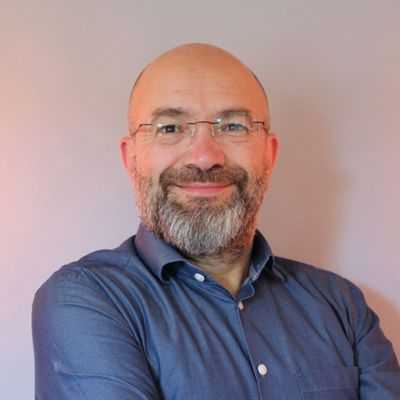
Seven Jacobs is a young social entrepreneur, speaker, and an advocate for mental health, especially amongst young leaders. He is the founder and CEO of an entrepreneurship education business called StartrHub, and the host of a mental health podcast for young leaders called "Lost and Searching". His mission is to be an agent for discovery, and he is passionate about helping his students get the education they never had in school and confidently work towards their dreams.
𝗞𝗲𝘆 𝘁𝗮𝗸𝗲𝗮𝘄𝗮𝘆𝘀:
* Born in L.A., and the troubled youth after moving to London at the age of 12
* Challenges and perspectives coming from leadership at a young age
* The difference between what we do and who we are
* The awakening that comes with understanding who you really are
* The 3 roles others play: victim, prosecutor, rescuer, and how to reframe them
𝗩𝗮𝗹𝘂𝗮𝗯𝗹𝗲 𝗿𝗲𝘀𝗼𝘂𝗿𝗰𝗲𝘀:
Instagram: https://www.instagram.com/seven.jacobs/
Website: https://www.sevenjacobs.com/
𝗠𝗲𝗺𝗼𝗿𝗮𝗯𝗹𝗲 𝗾𝘂𝗼𝘁𝗲:
"It's ok to have failed - because, unlike what you think right now, you are enough, you are worth it, you matter."
-Seven Jacobs
𝗔𝗯𝗼𝘂𝘁 𝘁𝗵𝗲 𝗵𝗼𝘀𝘁:
I am Agi Keramidas, a knowledge broker and podcaster. I firmly believe in the power of self-education and personal development in radically improving one's life.
Here's my Essential Personal Development Blueprint: bit.ly/agiscourse
Join my Facebook group for personal development, inspiration, and actionable knowledge: bit.ly/pdmgroup
#PersonalDevelopmentMastery
_____
Episode Transcript
_____
0:03
Welcome to the personal development mastery podcast. I'm Agi Keramidas. And my mission is to inspire you to grow, stand out and take action towards the next level of your life. I interview leaders, authors, successful entrepreneurs, spiritual teachers, exceptional people who will inspire you to improve your life. Tune in for two episodes each week, and make sure you subscribe to get them as soon as they are released. In today's show, I am delighted to speak with Seven Jacobs. Seven, you are a young social entrepreneur, speaker and then advocate for mental health, especially amongst young leaders. You are the founder and CEO of an entrepreneurship education business called started hub. And the host of the mental health podcast for young leaders called Lost and setting. Your mission is to be an agent for discovery. And you're passionate about helping your students get the education they never had in school and confidently work towards their dreams. Seven, it's an absolute pleasure to speak with you today.
1:19
It's It's a pleasure to be here. Thank you so much for having me. I'm really excited.
1:24
So my and as I was telling you earlier, you are one of the few people are so young that I've had the opportunity to speak on my podcast. So it's, it's exciting for for also for a different reason. Right? Yeah. So seven, I would like to start by asking you to share with us some elements of your journey, some of your background, I understand you were born in Los Angeles, and you move to the UK at a very young age. So. So we started a little bit with that, because I think it's very important to set the tone for what we're going to talk about next.
2:08
Yeah, no, I agree completely. And for me, it's a huge part of what has created and led to who I am now, and, and everyone's childhood inevitably plays a huge impact on who they are. But for me, it's especially relevant. So I think the best place to start is with kind of understanding a little bit about my very early years. I'm born in Los Angeles and in California, like you said, but at the age of two, my mother kind of collapsed as a result of a brain tumour. And that's led to this downward spiral, it will very much felt like a downward spiral in my life, where one thing led to another led to another which led to all kinds of financial and emotional difficulties. And the reason I say financial is that leaving now in London, it doesn't seem like a huge, huge deal, especially if you're a child, like here in the UK, we know a child is most likely going to get support if something like that goes wrong. But for me, it led to times of homelessness and rough sleeping of later, sleeping on the streets, I never knew at home felt like because we often move from one hotel or another or we're staying on friends, couches and things like that, my father really struggled to kind of emotionally cope. And that led to other kind of issues within our family dynamic. And I didn't have much family there. But the rest of my father's side of the family was here in London. So eventually, after all these issues, and eventually losing my mother to a second brain tumour experiencing more of this kind of loss and and what I would later find out was trauma of some kinds moved to the UK when I was 12. And so I've now been here for a decade. And that that decade was this last decade has been its own journey. So in my in my head, my life's almost split into when I was living in the US. And when I'm living here, when I moved here, life very suddenly became very stable. Right, we had a place to stay, we have more family, I was going to a school consistently. And it led I think, starting my teenage years led to a lot of on or because of a lot of unprocessed trauma or difficulty of some kind. It led to a lot of social anxiety, depression, and a lot of suicidal ideation. And it's, I think it's worth saying that when we throw those words around, they don't Sound like as big of a deal, like I have this and this and this, like they're checkboxes. But really what this combination created was this little bubble in which I would go to school, avoid everyone come home and avoid everything. And what that meant, and that that lasted until I was 16. So it was a four year period. And it actually meant that when I, when I realised this, and I started looking back on that four years, I lost four years, I don't have, I have pretty much one memory from that entire four years. Otherwise, it's like I've lost four years. And that one memory is pretty much of me, curled up, sobbing, wishing I was dead. And as incredibly morbid as that sounds, that's pretty much all I can remember. I know logically, like, I did a little bit of schoolwork, I did a little bit of whatever else, you know, but if the memories are gone, and something clicked when I was 16. And something and I kind of just said to myself, I'm not okay with that. I'm not okay with having lost that for years. But that, of course, that doesn't mean that trauma or or it was issues that I had went away. And so I've been on a battle ever since to grow, to learn to be myself to discover myself and to inevitably fulfil a purpose. And the last year or so funny enough, the last year or so, during Coronavirus, has actually been the most transformative within that, because I went through years of learning, of forcing myself into difficult, challenging situations of taking opportunities of learning from others. And eventually, it's led to a space now where I'm very, very heavily believe in a few core, almost character traits or habits, ways of living and ways of seeing the world that
7:00
have led to an entirely different meaning an entirely different person, someone who before was very heavy, was very afraid, felt very insecure, and had no not just no skills, but no way of feeling like I could be myself to now being someone who was lighter, freer, more energetic, and has a reason to get up every day. It's it is it is like night and day it is it was such a huge shift when I took a step back and realise how far they had come. So now a big chunk of what I do is, well, how do I take those core concepts and apply them to as many areas or groups of people as I possibly can?
7:42
Can I take you back a little bit before we before we go more into that is? You know, you said that when you were 16, you realise that you had lost this for years and decided it's time to do something. So there are two things. The first I wanted to ask you was Did something happen in particular at that time? Was it a moment? Or was it a gradual process?
8:09
Interesting. So I'd love to say there was one moment and this has been the hardest part of my journey as I feel like I've I've realised I process so much subconsciously. And one thing I got very good at was at reflecting. So taking time to think about all that stuff that I process subconsciously. And then that would that led to is lots of moments where I could then improve myself lots of moments where I could go, this is what happened, how do I make sure this doesn't happen next time. So it never it meant that there was never one light bulb moment. But I think specifically when I was at that age and had that much of a shift. What started to happen is that I realised that now that we are all older, everyone's a little bit older, we're not kids anymore. Life was starting to pass me by a lot more. I think it's easier when you're, you know, you're still only 12 or 13 to just cruise through life, play video games all day, and it doesn't really matter, right. But at a certain point, you realise people are learning people are growing, people are taking opportunities, and what do I want to be like, I might be young, but life is short. So what do I want to do? Who do I want to be? So I started essentially forcing myself to take opportunities. And because of my really intense social anxiety, I hated it. I wanted to run away. I tried to run away from these opportunities all of the times. But something kept pulling me back and eventually, after maybe a few months or a year I realised taking opportunity has massively changed my life and that was in such a small period of time. So what's going to happen long term, and that's pretty much what it was. That's pretty much all it was being able to just force myself and realise what kind of an impact did that make? You know, and it's those little everyday impacts that changed my life so much. And I think what what that inevitably means is it leads to those lightbulb moments in a way it leads to one moment where I go, Oh, so that's what that really meant. Or like, Oh, that's what that really looks or feels like, you know?
10:19
Yeah, that's great. And although me also seven, in this last six years period, since you had this shift that started, was there any? I'm sure they were many. But I'm asking maybe if you can share with us a really big milestone during these last six years of your own personal development, this journey to realising more about who you were, what was there something that really changed direction? Or you said, I'm looking for that aha moment?
10:55
See if you give Yeah. Yeah. You know, what I would say, my my lightbulb moment, my aha moment was actually relatively recently. So a lot of a lot of this journey focuses on the past and the challenges I experienced, but because of the way time progressed, for me, the real shifts came a little bit later. Maybe within the last year or two, like I said, and I if I had to choose one major aha moment, it would be probably around last kind of October or September, when I realised that what I have done, what I have experienced, what I can do, my current successes, and all those kinds of what's right, that was not who I am. So in other words, I realised the difference between who we are, and everything else about us the details about us what we are, and everything else. And through that, I started to interrogate but also to feel much more deeply, some of the kind of concepts I was already learning about. So acceptance, appreciation, being present, lots of just essentially all the concepts that to me became, this is so important for living a life that's more I suppose that piece a little bit freer and more joyfilled. And to me, it all started with this, this separation, because I realised so much of my suffering came from me attaching myself to I hated myself, it I attached myself to I am worthless, I attached myself to I'm not good enough. Because those were the things I was telling myself that the world was telling me, the world told me, I was worthless, and therefore I'm going to have to deal with people treating me a certain way that I don't matter, therefore, no one's going to try to help me When I need help and whatever else. And instead, I could remove myself from that and say, there's something a little bit deeper emo, I say, a little bit, much deeper within all of us. And that, then that is so much more beautiful. And then I really wanted that to come out. And that to be who I was, instead, you know that to be a major part of my life. So really, it's all about shifting that paradigm for me shifting that perspective, from one to the other, changed everything.
13:26
I love this. And it's interesting when you think about how these opinions of other people or when we are children, form a narrative in our head, which were completely unaware of. And for many people, it rounds their life, or during the whole duration of their life. And just the narrative, which it's not even theirs, and it's running the show, I liked very much what you said about what we are and who we are or what we do. And again, that is something that I would like you to speak a little bit more about. I think it's very important. And as you know, many of us identify with what we do. So if you ask someone who you are, they will probably mentioned their career, their professional, their name, which is a title, but that's really not who they are. And so, let's go a little bit deeper on this.
14:36
No 100% 100% I love that. Because I think for me that defines so much of my life. To expand a bit on the context first I one of the reasons I hated myself so much and I was so deeply within that frame of mind was because I looked around at my life and I went What have I achieved What have I created? What do I have? I haven't, you know, I started out life poor, and I'm still poor, you know, blah, blah, blah, all these things. And so because like you said, I identified so closely with it, it was a reason I let myself hate myself, I let myself treat myself like that. So what I wouldn't one of the things I noticed exactly along the lines of what you just said, was that everyone around me was there, they did, what they had their successes, or in my case, my failures. And, and I call, like I said, Before, I call this thing, the what's right, so all the little details around, what have I achieved? What am I doing? What do I have? Like you said, the example you gave of if you ask someone who you are? I've had people I mean, I, that's one of my favourite kind of introductory questions, is to ask, Who are you both? I do this on my show. I also do this in interviews, I ask Who are you, and I almost always get, I am, ex person, I'm this name. And I have this career, these successes, and I do these things. And it's like, I kind of, I started to sit back and go, but you haven't told me anything about you. Because I don't know what you love. I don't know how you feel, I don't know what you aspire to. I think. And the funny thing is what I one thing that I've noticed, and I've noticed, I've noticed this, especially recently is that people see identity as a good thing. Right. And for me, identity was always part of that, you know, I identify with my cultural background, and I'm very proud of it. Because I want to help my people, I identify with my job, because I worked very hard to be able to get that job and be in that career position. I identify as someone who dresses a certain way. So I buy all my clothes in that way. And we see identity is a good thing because it makes us unique and individualistic. And actually, what I started to notice is we really closely attached ourselves to all those things. So if I if I ask Who are you? And you say, I'm a very successful accountant who makes half a mil a year or whatever. And then tomorrow, you lose your job. Who are you? And most people don't have an answer. And that's it. That's it to realising that did a couple of things to me number one, it scared me, because I didn't want to be in a position where I didn't know who I was. Because I had always been in a position where I didn't know who I was. And I hated that. It felt isolating, it felt awful, it felt like this little black hole. Like I was living in this little black hole. And I didn't want that for myself. So I started to explore that. Who are you? The other thing it kind of did was make me very passionate about helping people understand the difference, hence why I tend to ask that as a first question. Again, either on, like content that I make, or in interviews, I like bringing that up or even just in one to one conversations, I like bringing it up. Well Who are you? Because yes, I want to learn about you. But more than that, I it's a bit weird to say, but I love the feeling of helping someone else discover that. I love it. If someone goes, I'll see now I've learned who I am. Now I know that attaching myself to all these things, was actually holding me back or could have caused a lot of problems. One of the things that helped me shift, this was a piece of advice that I got from a friend and coach of mine.
19:01
And one thing he said to me is, well, who you are, should be very future oriented. So if we think about what we've just described, the way that people usually answer Who are you? They think about either what they have or they think about the past. So in my story, if I had gone if I had told you who I am, was all these things that I just described happened to me that was very past oriented. I am someone who lost this. I am someone who didn't have this. I'm someone who experienced this, or very future very present oriented. So I am someone who has this job or does these things I have these roles to play that's very, very present oriented. What he said to me is let's make it future oriented. So I am someone who and because it's the future who will or who can or is aspiring, what that does is it removes it from the What's right so the problem with it with what we've described so far is that it's attached to what what we think is this or what we think is that in the future, you don't know what is, because it hasn't happened yet. So you if you make if your future oriented, you're forced to think more expansively about things that if we're really honest matter more, so I am someone who is excited by mastering my personal development and my personal growth. I am someone who loves seeing smiles on people's faces, really simple things like that. And what it does is it speaks to your character, one of my favourite kind of sayings, within kind of leadership is character over competency, right? So like, if I want to hire a staff member, for example, I'm thinking character over competency. Yes, if you can do your job, that's great. But if you don't have the right characteristics, what's going to happen when something goes wrong? If you don't have the right character traits, what's going to go? What's going to happen if we have an issue, we need to overcome something? Are you going to try to learn, you know? So it for me, it became all about how do I understand the character traits I want to have the person I want to be, and that became who I am.
21:21
Hi, it's Maggie here, interrupting you with something you may find useful. The most frustrating feeling is when you're trying to focus, but you can't get your brain to concentrate and let you zone in on the important work in front of you. This happens to me all the time, especially the days that I feel, I have too many different things to do. And if it happens to you, you're not alone. 40% of people say they have to make a big effort to concentrate. This isn't some minor thing. But if you're having trouble getting focused, I have a solution for you. I'm so excited to be partnering with brain FM. Brain FM is a great app, and I use it to block out mental chatter and droning on my number one priority of the day. Brain FM uses functional music backed by science and research, which is designed to give us that extra edge when we need our undivided attention. But they also have relaxation, meditation and deep sleep modules that help you unwind and recharge. So if you want to be able to place your full attention exclusively in the activity you choose, whether that's meaningful work, relaxing or getting high quality sleep. Right now, personal development mastery podcast listeners get 20% off brain FM slash IE. That's an amazing deal for such a great app. That's B R a n.fm. slash Agi. 1000s of people have given five star reviews to brain FM, find out why brain.fm slash ID. That's awesome. And I want somehow now to utilise what you said about the because I believe this question I am someone who will not question this statement. I am someone who is aspiring or I am someone who is question that if someone asks, namely, and over and over again, they will come to realisations that maybe they have not discovered yet. So if you were to give to the listener, how can they use this question this or use this statement to go deeper inside themselves? How could they start this process of looking inside themselves more and realising who they are? More?
24:12
Yeah, there are a couple things. I mean, there are there are probably lots of things I could say in response to this, because it is inevitably going to be a long process. That is the important part. The other important thing to preface before I give you the kind of what I want to share with your listeners about this. The other thing I want to preface is that it's going to be a little bit different for everyone. So it's a long journey. And it's a journey that is relevant to you. One thing I'm not a fan of doing, and I still do it accidentally I'm very much guilty of this. But one thing I really don't like doing is giving a blanket statement to everyone and saying this can apply to everyone because something I know from personal experience is that your background, your experiences, the things even you might not be aware of. You need might change how effective doing a certain thing is for you. However, what we're what I think would help is a concept I've read about recently that I started to incorporate into the my kind of thinking around this because I love it is essentially this idea that all of us are playing roles, right, so, so a little bit of context, all of us play roles in our life. If I have been insulted by someone waiting in the line for my coffee, I am a victim of being insulted. And they are a persecutor or a criminal or whoever there's someone who has. And so they've played that role. And I've played my role as the victim. There was a concept that was created. And I can't remember the name, so I will send it to you afterwards. And maybe you can put it in the description of your of your of this episode. But essentially, this concept was created sometime in the last century where I think a psychologist describes three main roles that people often play or perceive other people's playing. So number one, and this is the most common is the victim. The victim would be me who's gotten insulted in line, or me when I've been treated a certain way, or had to experience homelessness or lost someone that I loved right under the victim. Whoever has done that, to me, they're the persecutor, there's someone who's trying to do those things to me. And often people don't choose to play the persecutor, we see other people as the persecutor. And then you've got the rescuer. So the rescuer is someone who comes in and helps and a lot of people will call themselves I'm the rescuer. I'm the, the the the person who needs to be helping other people, even if it's at the expense of them themselves, right? We all know that person. And sometimes a lot of us are that person. And for a long time, those three roles, this concept stayed the way it was, and people who knew about it would say, Well, I just need to try my best to not see myself as one of these three, because it can cause issues. If you just see yourself as that and forget everything else. And then in I think the mid 2000s. And, and then someone else came along and proposed a slightly different model or added to that model, where he essentially said, all three of these roles can be transformed into something a little bit more purpose driven, more powerful, more present. So the victim, he said, transforms into the Creator, the victim becomes someone who is able to be to to be themselves and to bring that out into the world, someone who wants to make it a better place. Someone who no longer sees himself as someone who has been treated this way, or has these issues, and instead sees themselves as someone who is able to take whatever they've learned as a result, and give it back to the world in some kind of positive or constructive way. The persecutor transforms into a challenger. So if I, myself as the victim, see the persecutor, as the person who bullied me in school, let's say, or treated me awfully when I was in line for my coffee or whatever.
28:42
Then I can transform to see myself as the creator, someone who isn't so attached to the fact that I've been hurt and instead wants to learn from what happens. And that persecutor becomes the challenger, someone who taught me a lesson, or who allowed me to grow, right, that's a big part of that personal development, I'm able to grow as a result of seeing them as a challenge instead of an issue. And then the rescuer becomes a coach. So someone who's able to help people a little bit more meaningfully and deeply. So, as it's relevant to your question, I think this relationship between creator and challenger or I should say, seeing yourself instead of as a victim, and instead as the creator, and seeing your challenges or issues instead of as things trying to persecute you or, or hurt you, as challenges to overcome that mindset shift, I feel like is crucial for this. Because so much of what changed for me and for a lot of the peers or even people who are a lot older than me, colleagues and things like that, that I've spoken to what seems to change and help so much for us. is when it is is almost like the shift comes in the know Knowing the shift comes in the awareness. If you have that awareness, you can then shift your perspective. So to answer your question, it would have to be learning to shift my perspective, these things, to be able to see myself not as someone who's a victim of these issues, but instead is someone who, because therefore I'm on the defensive, someone who's more on the offensive, someone who is more in control. It's almost like I'm taking the things that have come at me and transmuting them into positive energy into something that is able to create, to make and with, like, with the ability to see everything around you that put you in that position as a challenge, you almost get excited about it, you go, Wow, I can I can learn, I can grow life has so much to offer me, I have so much further to go. And by the way, I think you mentioned this, it can, it's very much something that applies to people of all ages. I know, we weave, inevitably, in focusing on my journey, we focus on the fact that I'm a little bit young. But actually, my experience has taught me that that's all is almost completely irrelevant. Because people can radically transform their lives at the age of 80. And then live a fantastic 20 years, until the age of 100, that they never thought they could live. And that 20 years might be much more enjoyable than someone else who only live to 60. But never learned these things. You know what I mean? So, there there is, it's it's so so there you go. Exactly right. So it's very much and we all relate to that. So I think at any point. And so in other words, what I'm trying to say is this applies 100% all of your listeners is at any point being able to say, let me take a step back, shift my perspective on where I currently am what I'm currently doing, that allows you to to make this decision to instead say I was these things, and that's who I am to saying I'm going to be these things, because that's what I want. And I'm going to call that who I am. Does that kind of make sense? It does. It
32:17
certainly does. And I was earlier on when you were saying that. I wanted to add that many people are shown that with age comes experience. And of course it does to some extent, but many people could live the same pretty much the same day over and over again for 2030 years adulting that counts as 30 years in terms of experience as others and I'm sure we all know, I've heard of people like that that have had a very eventful, shall we say life and they crammed a major big deal out of life. So that's just adding to what you were saying about the young age with? Of course it is the people's conception, and to some extent it's true, but there are always bright, bright exceptions. Yeah, exactly. Can I wanted also to ask you seven about your podcast, specifically in involvement with mental health amongst young leaders? So do you want to share a couple of thoughts on that as well?
33:31
Sure. So I suppose it's gonna make a lot more sense now that we've talked about a lot of my experiences, but essentially, the life that I lived, made me believe that I was inevitably going to need to deal with feeling lost with feeling really alone. And because I have no real support network, and in many ways, Funny enough, still don't have much of one. Because of the life I've lived, I've just naturally became very independent, which made it harder to build a support network. I hated the feeling of feeling lost, of feeling like I didn't know where to go or who to turn to and feeling like I was all alone in this journey, and actually getting into entrepreneurship, which is a totally different story. But eventually, I got into entrepreneurship and social entrepreneurship, specifically, and a lot of my peers and the other people around my age in my network, also doing amazing things. And despite everything that they were achieving, and how much I was looking up to a lot of them. They were having mental health issues that seemed so familiar. And they weren't familiar in the sense that it was it's a little it's a bit strange to describe because they were familiar in the sense that they seem to be going through the same things, but the context was completely different. Yeah. So I'm really stressed because I'm at university, and I'm running a full time business, and I'm helping take care of my parents or something like that. And so they have these mental health journeys of feeling really drained, really stress, lots of pressure. And for them, it was a very lonely space, they didn't always know who to turn to, how to talk about it, what to what to do to help themselves, or how, you know, if you even if they felt like they could, which, which sometimes was the issue in and of itself. I think young, youth leadership in general, often young people take a lead, because they they feel they need to write, if we think, think of like, the standard CEO or the standard leader, we think of someone who's a bit older. And that's because slowly they've grown into that role. And that jet was the next stage in their career. But if you're a younger person, and you've decided to be a leader, whether it's in starting a business, or starting a charity, or getting involved in youth, politics, whatever it might be, you've done that, because you've cared. And that means there's an emotional connection to that emotional attachment to that, whatever that thing is you've chosen to do. But often, that leads without me realising it, we've missed seeing the consequences of not realising why I was noticing. And it led to a lot of the same issues of I feel lost, I don't feel like I have a support network, I don't know where to turn to. So despite me having learned it from a life growing up, and then experiencing it, because of the roles they decided to take on, it was still the same feelings. So I said, Well, if we're all experiencing the same things, but I've had the the privilege in a way of learning about what I've experienced, and trying my best to make it better learning a lot and having a lot to pass on. Let me try to make a space where we can feel connected, where we can feel heard. Because I, I don't want other people to feel the way I did, I don't want other people to feel alone, the way I did, I want people to know there's a space where they can hear from people who have gone through things like that, and what they've done about it, and just to feel a little bit less alone in that space, as well as to learn something right. And so I often my guests are people who either are young leaders themselves, and they're very open about the things that they've experienced in their challenges. Or they're people who are a lot more experienced than eyes, but they have a mental health journey to share. And they're very open in sharing that and, and kind of sharing with us what they'd pass on to other young leaders. And so that is pretty much what we do is try to create create that space.
37:52
It's an amazing mission and a very important niche that you are targeting. And so congratulations, it's it's amazing. I am seven, I would also like to ask you some quickfire questions to start wrapping things up. And my first one, which I always ask is What does personal development mean to you?
38:17
For me, personal development is very focused on under first understanding who you are. And once you've done that, like we've talked about figuring out how you want to get there, personal development is constant self introspection, so that you are able to get there. So that life becomes more fulfilling, happier, healthier, more joyous writes that becomes as worth living as possible. And that to me is is what it is and why it's been so important.
38:53
Like you said something along the lines of constant self introspection, and I completely agree with that. 100% self introspection is one of my favourite words. So I use it a lot. All the time. Yes, it's constant or regular anyway, yesterday. And seven, if, if you could, let's say go back in time and meet that 16 year old version of yourself just before the shift and you could give him one piece of advice to help him in the journey. What would you say?
39:29
All that is a very good question. I haven't thought about that one before. I asked that to my guests. And I haven't thought about it. How strange.
39:44
I think my number one piece of advice is a million things I'd want to say. But my number one piece of advice would be that it's okay to have failed but at work I should say it's okay to have failed. And the reason it's it's okay is because unlike what you think right now, you are enough, you are worth it, you matter, right? So it's more of encouragement than advice. But it's the idea that you are enough.
40:16
Not That's awesome. And it's very deep. It's not just intellectual, it has very deep layers of understanding. Thank you for setting that to seven. And let me ask you something else. I'm very big always to give to the listener, one action of light. And so if you were taking all this conversation we've had, and if you were to give to the listener, one thing that they can implement us in action, what would you recommend? And I take in mind what you said earlier that there is no cookie cutter or One for all, but
40:55
still, speak to the listeners. And yeah, and tell them try my best.
41:00
Yeah, try my best 100%. If, if, obviously, you're if you're listening to this, you're here, because you're interested in your personal development, and really, really taking a lot of control over that. So I think the number one thing that helped me with my personal development was always knowing why I was trying to develop in a certain way. So if it has, if there's so many actions that come underneath that, I had to choose one, it would probably be to make a really self introspective brainstorm about all the areas of your life. And it can include a lot of the things we've talked about today. So what is what is my victim look like? And actually, what does it look like if I become the creator? And what are my challenges within that, or who have been my challengers? And brainstorming that to the extent of being really honest with yourself about what you've done? So when I say self introspection, really what that means is taking responsibility for who you become and what's going on in your life. And saying, these are all the elements of that. Putting all of it down in a big brainstorm. And I love Bray, the reason it's my piece of advice is I love brainstorms, because I can get really creative with them. So making a big old brainstorm. And then once you've done that, and you look at that reflection, you looked at that past, then look to the future, once you've reflected on your past, and you've visualised your future, the person you want to be in all the elements of who you are, like we've discussed, we've got those two areas, then you can look up, you can decide on the present, right? You've got the past, you've got the future, you have everything you need to kind of put them together in the middle, and say right now, this is who I'm going to be and how I'm going to act. What I'm going to learn how I'm going to live. Yeah.
42:59
That's amazing. Thank you. That's really brilliant. And how can people connect and find more? Find out more about you seven?
43:08
Yeah, well, the two best places to find me, or I should Well, I say the one best place to connect with me is on my Instagram page is the one I use the most often. So it's at seven dot Jacobs. It's basically just my name. Please do come find me and follow me on there and drop me a line if you want to. And if you want to learn more about me, you can either or more my podcast as well. You can find the podcast at last and searching anywhere that you get your podcasts. And my website is also just my name seven Jacobs Comm.
43:44
Seven, I want to thank you very much. This has been a an intriguing conversation. I really enjoyed it. And it made me realise for sure that that was telling you that I haven't spoken with many brilliant people of your age group in my podcast so far. But now that after this conversation, I'm much more inclined to, you know, find out more of you out there, which are making an impact at a very young age, because it's when we touched on that earlier about how AIDS is perceived to be a measure of impact or wisdom or anything. I want to really wish you all the best with your mission and what you're doing. And do you want to share your parting words?
44:39
Yeah, we'll just thank you so much for having me on here. And for all those kind words. I appreciate it and I would I would definitely say that regardless of where you are in your life, there's always a there's always a tomorrow and that tomorrow doesn't have to look like today. One of my is simultaneously one One of my favourite and one of my most difficult sayings is that happiness is a choice. And why do we care about our personal development often for our happiness, so you know, if you want to make a new choice to do something new tomorrow, you always can ask why I love being on this show. So thank you so much for having me.
45:22
I hope you enjoyed listening. If you have, please share this episode with someone who you think would benefit from it. If you want more inspirational and actionable knowledge, join my facebook group personal development mastery. The link is in the show notes or you can type bit dot A why sluss PDM group and until next time, stand out. don't fit in
Transcribed by https://otter.ai

 5.00 (74 Reviews)