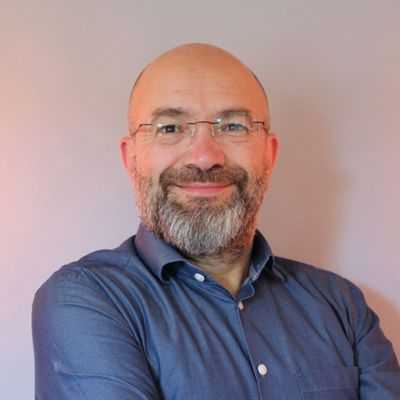
Nikki Nash is a podcast host, Hay House author, a motivational speaker, and marketing mentor. She is the creator of the 'Market Your Genius' brand, and she believes that everyone has the ability to create a life and business that they’re madly in love with. She is passionate about helping people build profitable personal brand businesses, position themselves as the go-to expert in their industry, grow their business, and multiply their sales.
Her new book, "Market your genius", is out in August 2021, with some sweet pre-launch bonuses!
𝗞𝗲𝘆 𝘁𝗮𝗸𝗲𝗮𝘄𝗮𝘆𝘀:
* How can entrepreneurs position themselves as the go to expert in their industry?
* Marketing is like dating!
* A perspective shift that changes how you think about marketing
* The importance of consistently showing up when building your brand
* Market Your Genius - Nikki's new book
𝗩𝗮𝗹𝘂𝗮𝗯𝗹𝗲 𝗿𝗲𝘀𝗼𝘂𝗿𝗰𝗲𝘀:
Website: https://nikkinash.co
𝗠𝗲𝗺𝗼𝗿𝗮𝗯𝗹𝗲 𝗾𝘂𝗼𝘁𝗲:
"Use fear as fuel as opposed to a reason to not go after what you want."
-Nikki Nash
𝗔𝗯𝗼𝘂𝘁 𝘁𝗵𝗲 𝗵𝗼𝘀𝘁:
I am Agi Keramidas, a knowledge broker and podcaster. I firmly believe in the power of self-education and personal development in radically improving one's life.
I have partnered with Brain.fm! Get 20% off this amazing app: brain.fm/agi
Join my Facebook group for personal development, inspiration, and actionable knowledge: bit.ly/pdmgroup
#PersonalDevelopmentMastery
_____
Episode transcript
_____
0:03
Welcome to the personal development mastery podcast. I'm Agi Keramidas. And my mission is to inspire you to grow, stand out and take action towards the next level of your life. I interview leaders, authors, successful entrepreneurs, spiritual teachers, exceptional people who will inspire you to improve your life. Tune in for two episodes each week, and make sure you subscribe to get them as soon as they are released. In today's show, I am delighted to speak with Nikki Nash. Nikki, you are a podcast host, a Hay House author and motivational speaker and marketing mentor. You're the creator of the market your genius brand, and you believe that everyone has the ability to create a life and business that they are madly in love with. You are passionate about helping people build profitable personal brand businesses position themselves as they go to expert in their industry, grow their business and multiply their sales. Nikki, absolute pleasure to be speaking with you today.
1:16
Oh, my goodness, thank you so much for having me on the show.
1:20
I'm very much looking forward to listening to your expertise because it is it is something very important among marketing, but not in the necessarily in the usual sense of the word, the business sense of the world. But even in the personal sense of the word. I can't find too, I can't wait to find out more. Before we go there. So we start, let's go back a bit and start with a little bit of context with your journey and story. And actually, I had two specific questions. I wanted to ask about that. So the first one was, Why marketing in the first place? What What drew you into chosen this kind of career?
2:12
Yeah, you know, I fell into marketing. I initially growing up, thought I would be an actress. And in all honesty, I was afraid that I wouldn't make it. And this was in high school, like I hadn't even really gone after anything yet. And I had won some awards in high school for acting and would look into how does one have an acting career, and then just realise, you know, most people fail. And I didn't know if I could make it. And so I went to college, and changed my major a million times, but headed out on English because I loved creating and I loved writing and had written poems as a child and growing up. And so English felt like the bright major for me. And when I graduated, I thought I would be a journalist, and even took internships at a new station. And I decided I wanted to go to Berkeley University for grad school. And I called their admissions office and I asked what do you need to see for me so that when I apply I'm like, you know, a competitive applicant. And they suggested that I go to a programme, a summer programme, either held by NYU or Columbia, about the publishing industry and about, you know, getting into magazines, newspapers, books, that sort of thing. And I applied to NYU because Columbia's interfered with my family's European vacation for when I graduated college, I was like, Well, I'm going to Europe. So I'm not going to that programme. And I got into NYU us summer programme, and I met not only the journalist and the editorial folks, but I also met the marketers, and the salespeople, and they were so fun. And I reached out to the head of instyle magazine's marketing department, essentially. And I reached out to her and said, Hey, I would love to connect and just do an informational interview where I learned more about what you do, and they happen to be hiring. And so my first job was at instyle magazine in the marketing department. And that kind of led to me going to travel and leisure and their marketing and sales department. And then I just sort of kept getting marketing jobs. I ended up in advertising and then I ended up working at fortune 100 companies and it just kind of went from there. So marketing wasn't necessarily intentional. It was very much based off of, I like these people. Let's see what this career is all about. That's how I ended up there.
4:55
Yeah, and many times the best way to discover passions is to try They tell me also there is another point. So we'll say in your career that I wanted to ask you about, and that's what your transition from corporate work into your own, you say that you decided to live to make a difference in the world. So So tell me about that transition, especially the mindset that you had that led you to do that.
5:29
Yeah. And, you know, my first job at instyle loved. And I remember when I transitioned to Travel and Leisure magazine thinking, you know, these jobs are cool, but I want to do something that makes a difference in the world in a way that I want to do it. You know, it's not saying that those jobs, I wasn't in some way impacting the world, but it wasn't necessarily the way I wanted to do it. And I remember speaking to my dad, and he said to me, you know, you can make an impact in the world outside of your job. And I was like, okay, but I also thought it was weird that he said that to me, because both my parents are doctors, I'm like, in your job innately has you make a difference in the life of somebody else. And I'm in essentially sales and advertising. So I'm not really seeing the direct correlation or connection to making the world a better place, at least at the time. And so like, heck, going from job to job, looking for the job that would make me really happy, that was creative, that made me feel like I was making some sort of difference. And life is funny, because there are certain points in a person's life where they maybe have an aha moment. And when I ended up in corporate, I was working at Intel in their marketing department. And I was in charge of content marketing, and digital marketing and things along those lines. And my aunt was diagnosed with ovarian cancer. And that's how my grandmother had passed away her mom, and we realised that it's quite possibly genetic. So my aunt had to get tested. And then my mom had to get tested. And because my mom tested positive for having a genetic marker, that meant we were at high risk for ovarian cancer, my sister and I had to get tested. And during that moment, I really realised like, you know what, my job is great. I love the people I work with, I'm making really good money, but I don't want to spend my life here. And so at that point, I decided that I was going to quit to start my own business. And at the time, I wasn't sure what that business would look like. And I wasn't going to quit that day, I actually gave myself I think about six months, and I saved money from my paycheck, and I moved into a more affordable apartment on purpose. And like all this stuff, I basically downsized my life a little bit. And I said, I'm going to start this business. And I would love to tell everybody that, you know, I started my business from that venture, I'm like, Yes. And I was motivated. And I went and started my business. But mindset, as you mentioned earlier, is such a powerful thing. And I had this fear of failing. And I was so focused on not failing, and figuring out how I couldn't fail that I never really let the dream develop. And so I ultimately took a job. So I quit my job at Intel, was going to start my own business. And about a week and before I even started the business, I started freaking out. And I ended up applying for jobs at tech startups or at startup companies. Because I said, If I could help a startup grow, and see what that's like, then I could figure out how to do that for myself. And so all I really did was delay my dream by like, a year and a half. And I took a head of marketing job at a tech startup, I worked to help you know that business, get more clients and customers. And I ultimately got to another point where I'm like, this isn't what I want to do. This isn't my life's purpose, or at least where my, you know, soul or whatever people believe in. Like, it's not where I wanted to be in that moment. And so I quit that job and really started my business. And that was probably from today, almost six years ago. It's like seven half.
9:16
To overcome that, that fear of not failing. What What was the difference after the startup?
9:24
I don't know if I ever got rid of that fear of failure. It was more that I was so unhappy. And it's not like the job changed or people changed. I loved the people I worked with, but it just felt like it was so out of alignment with what I really wanted to do that it got to a point where I was just like, what am I doing? Like I think I just had this wake up call where I remember sitting at my desk, and looking around and just going this is your life neck and this is not what you want to be doing. And are you going to keep going down this path. Because you're essentially right where you were a year and a half, two years ago, and nothing's changed, it's not like I started building my business really on the side or something like that. And so I said, You know what, I'm out. And I just quit Coulter, I got up, I told my, I told the CE O, that we needed to have a one on one meeting. And we met and I resigned. And you know, two weeks later, I was working on my own.
10:30
So it means that commitment and determination that I'm going to do it now that decision, and then everything changes, once the decision is made, then the road is path through, we kind of go towards that. Absolutely. And make you so we'll talk a little bit then about marketing, actually, and specifically, a personal brand business, which I believe you specialise in. So my, let me ask you buy my first question would be, I'm sure you've seen some common obstacles, so we say or hindrances, or maybe there are fears. But many people face though the same things when they are building a personal brand business. So are there any common ones that it's useful to establish and see if we are in this?
11:33
Yeah, you know, one of the things that comes up, and I'll start by maybe describing a personal brand business, because some people possibly have one and don't realise that. But at least my definition of a personal brand business is or even a personal brand lead business is when there is a person or a personality, who is kind of the face of the business in such a way that you're selling their intellectual property or their kind of mind. Creation, like, it's, it's very much where you promote a brand in a business, but very much, often in tandem with a person. And so sometimes that business is named after the person. So if you think of, you know, Dave Ramsey has a personal brand business, Oprah would have a personal brand business where it's like, oh, okay, like, they're the face of the business. And so you have those, and sometimes it's a, it's possibly a bit more subtle, where maybe, or maybe it's evolved, where the person could have started the business, you know, you think of Stephen Covey. And he wrote the Seven Habits of Highly Effective People. And then there's like the Franklin Covey planners and things, but you know, he's not here, you know, as the complete face of the organisation anymore, so it can absolutely evolve. But It usually starts with somebody's knowledge and expertise or something along those lines, and the marketing principles that I teach or work with people on really work for a variety of businesses, but the reason why I'm excited to work with people who are sharing their knowledge and expertise in the world, is because for so many people to answer your question, like as a big challenge is realising that, even though it may feel like you're marketing yourself, it actually has nothing to do with you. And I think that's the biggest challenge and obstacle that most people face is because sometimes people will wake up and they're like, I don't feel like going live, or I don't feel like doing this. And oh, my goodness, I don't want to sell people on myself or I don't want to be too pushy, and they make it about them. And when you're marketing a business, whether it's your intellectual property, or it's a product, it actually has nothing to do with you, even if you're the face of the organisation, it has to do with the people who you're trying to impact by selling them your product or service. And so when you're able to kind of work through that and overcome that initial fear of whether it's, you know, making yourself visible or those sorts of things, you start seeing some magic happen when your business is more consistently marketing, and you're more focused on the person you're trying to connect with and less about how you look.
14:25
Can we go a little bit deeper on this concept that it's not about you but it's about the people that you impact? Because, and I will share my own personal personality that I have found. Sometimes that transition in the word thinking because I think it's really a mindset thing from sweetness switching from it's about me to it's about you are there any tips or advice or way of looking really at this concept of it's not about me.
15:05
Yeah, I mean, I think the first thing when you're trying to realise or have that kind of perspective shift that it's not about you, is to really think about, you know, why did you start your business? And who is it that you want to impact? And what impact do you want to make in the world? And then it's really about reminding yourself of that every day. And so I used to think, this way about mindset. And it's true for a lot of things. Or I guess not true for a lot of things. I used to think that, you know, with mindset, you would be one way. And then you would have a light switch, or an aha moment or perspective switch, and then you never went back to that way, you know, and people are like, oh, exactly, right. People are like transformation. And know when things transform, like when a butterfly becomes a butterfly, you know, when it goes from Caterpillar to butterfly, they transform, and they're not going back to a caterpillar, right? They're staying a butterfly. And I used to think that's what happened with mindset, you know, I was a caterpillar, then I had this, you know, magical moment. And then I became a butterfly and I was just a butterfly forever. And I think, when it comes to that perspective, shift and realising that it's not about you, it's very much of having that aha moment, and then finding ways to remind yourself of that every day. And so before you go to do a marketing activity or a thing for your business, you have to remind yourself, who are you doing this for? And what is the impact you want to make and always make decisions from, you know, a combination of that space? And what's you know, maybe, right for you and who you are, but you have to start with? Who am I trying to impact and always keep that at the forefront of everything that you do?
16:49
Thank you. And I don't know, if you agree with me, I think also this is one of the best ways to confront that fear. And because it's when it's not about you anymore, there's not much to be afraid of you focus your attention on how to best serve others so much less fear in that rather than how I will look or what will people think of my performance or whatever else? imposter syndrome? We might be having?
17:21
Absolutely. And I think what it also does is, is it Oh, my goodness, is that it allows you to realise that there are going to be people who your message is right for and who you will positively impact. And then there will be people who don't resonate with that. And that's fine, because you're not for everyone. And so it allows you to go through things going, Okay. Well, I maybe had, I'm just gonna make up numbers, you know, 98 people really be positively affected by what I did. And two people say that it was, you know, the worst thing in the world, and they gave me like a half of a star, right? Well, most people will then focus on the two people, but that's 2%, right? That's not, that's not where we want to focus, you want to focus on the 98% that were positively impact, and find more people like that and continue to positively impact them. And when you can show up every day and go, alright, I'm thinking about that 98% I'm thinking about those people, and you create things for them and you support them. With everything that you do, then like your marketing resonates better, your you'll see pop more positive results from any of the activities that you're doing. And you're really focusing on them, not yourself and not the people who aren't excited about what you do or who don't resonate with you.
18:44
Hi, it's Maggie here, interrupting you with something you may find useful. The most frustrating feeling is when you're trying to focus, but you can't get your brain to concentrate and zoning on the important work in front of you. This happens to me all the time, especially on the days I feel I have too many different things to do. And if it happens to you, you're not alone. 40% of people say they have to make a big effort to concentrate. This isn't some minor thing. But if you're having trouble getting focused, I have a solution for you. I'm so excited to be partnering with brain FM. Brain FM is a great app and I use it to block out my mental chatter and zone in on my number one priority of the day. Brain FM uses functional music which is backed by science and research. And it is designed to give us that extra edge when we need our undivided attention. But they also have relaxation, meditation and deep sleep modules that help you unwind and recharge. So if you want to be able to place your full attention exclusively in the activity you choose, whether that's meaningful work or relax Seeing or getting high quality sleep. Right now personal development mastery podcast listeners get 20% off. Brain, Fm sluss Aggie, that's an amazing deal for such a great app. 1000s of people have given five star reviews to brain FM, find out why brain.fm slash Aggie. That's awesome and very, very useful. Thank you, Nikki. Jen asked you something wild on the same topic, but slightly different. And that's the expert position in that, that you talk about and how to become the go to expert in your niche or in your needs, as you American say. So I would like to ask you about how can an entrepreneur position themself as the go to person? And again, consider, again, that perspective of that imposter syndrome that may be somewhere at the back of the mind as well, maybe preventing you from looking at yourself being the go to person or the authority if you want? I hope my question makes sense.
21:23
It does. That Absolutely. Makes sense. And I think, you know, where people often need to start is understanding what an expert is. And I think so often people believe, oh, the expert is the person with, you know, the most degrees on the topic, or the person who has the most books on a topic. And those are just examples of what could make somebody an expert in something. But there are a number of ways in which somebody can be an expert. And I think, if you are looking to position yourself as the go to expert in something, you have to start by figuring out what you want to be the expert in. And really do it a kind of real evaluation of where you are right now, you know, you may actually be an expert on something. But a lot of things in this world are perception. And so when it comes to being the go to expert, you can start evaluating, okay, now, how do I be perceived as the expert because I maybe have the knowledge, but it might not be out there in the world. And so you can do things like contribute to the conversation. And to do that you can do things like, you know, have a podcast on something, or you could even, you know, create your own signature system, or structure or something that you're out there sharing on a consistent basis in the world. And that's why you know, content is amazing, and almost low hanging fruit way of starting to position yourself as an expert. It's like, start a blog, start going live, have a YouTube channel have a podcast, so you don't have to do them all but choose something. And you can start creating that and contributing, you know, write a book, do something that helps solidify you, in somebody's mind as an expert on something because you've done the work to consistently show up in that area. And what's really cool is that, you know, another part of that could be Association. And so, when you think about, I'll use Oprah as an example, just because, you know, a lot of people know who Oprah is, when you think about it. She consistently showed up every day on a television show where she interviewed other people. And yet, a lot of people see her as an expert on whether it's spirituality, or mindset. And I'm not saying that she isn't. But what I'm saying is that she got that way by showing up and having conversations with other people, and through Association. And so if you right now are going, you know, I want to be the expert on this. But I don't have a unique body of research, or I haven't created a signature system or structure yet, and you just want to get started. interview people, choose your topic, reach out to people start interviewing them on that topic, and do that consistently. Right? Like, there are so many things that you can do. And, you know, you could, yes, there's the almost obvious ways of you can get degrees and things or you can maybe do a research study or things along those lines. But there are when I look at people and I say, hey, you want to be seen as an expert? Let's look at this from what can you start doing right now and that you can start doing on a consistent basis. And then let's add in other things, you know, maybe you have a blog that you consistently write, but then you start being a guest on other people's podcasts, or then you start speaking on stages, right? Or then you start working on your book, and maybe in a couple years you write a book. There are so many different things that you could do. And so what I would really say for somebody who wants to position them As an expert, the very first step is to decide that you're an expert in something and choose what you want to be an expert in. Because then you can start making decisions where everything aligns to you showing up as that expert, and choose something that you can commit to for like five years at least, you know, if you're an expert in something, you're really going to be an expert in that probably for life, but you know, at least five years that you're going to feel excited, dedicating your time to learning about it sharing sometimes, you know, just read an interesting article, go live and tell people about it, there's so many easy things you can do, to have people start showing up going, Wow, this person really knows a lot about this topic. It's about rep, repetition and consistency. It's like keep showing up saying the same thing over and over again for five plus years. And you'll be seen as an expert,
25:49
I can certainly second that I've been there specifically with a podcast and interviewing people, you gain a lot of knowledge and people seeing you have discussions about this knowledge will perceive you as the expert, I love your answer. And I liked there are two things that stick out. One goes the perceived expert versus the actual expert. And I realise how important to be in the perceived, it's even more important than being an actual lab expert that no one considers you as an expert. And you said that the best way to start or the way to become the perceived expertise to create content, blogs, podcasts, Facebook Lives, or whatever it is at the at an early stage and scale up. How about because content is is a term that has been used very much. And there are all sorts of content. When any content do I don't think it will, especially if you're looking to market your personal brand, is there a specific kind of content that works better in that term of positioning you as an expert, a perceived expert Pardon?
27:15
You know, I think for for people who want to be seen as that expert, you want to really start almost with not just deciding that you want to be an expert, but why you want to be an expert, and who you want to be seen as an expert, too, because that'll dictate the type of content that you're creating. Right? Like, if you are somebody who is in a, like the field of education or something along those lines, then there are going to be certain credentials or things that you need to do that's going to be right for that industry, maybe you need to be published, and writing articles in certain places. And that's what's going to hold credibility. And so you have to have that kind of understanding of your industry, and what's going to help you be seen as an expert. And, and so for, for a lot of people, I don't know that I would say that there's a right piece of content for everyone. But what I will say is that you really have to understand, you know, if you're building a business, for example, you might not want to or need to be an expert in the eyes of people in your industry. I mean, it might be but it might not be maybe you have your ideal clients and customers and you just need to be seen as the expert to them. And what's really interesting, and I wish more people got this, and I definitely started getting it throughout my career and marketing is that the best person at a job, like the best expert isn't necessarily the one that is most recognised or the one that generates the most revenue. And you think about that, even with the books, and I really wish I remembered who said it, and it's probably going to come to me after this interview. But you know, somebody said it's not called the best written author or something or the best, the best selling author, right? It's who can sell the most books. And so for you, I mean, obviously, you probably want to actually be an expert or really know your stuff in an industry, but usually it's the person who shows up the most consistency to the most people for the longest period of time. And they may not be the person who's the go to expert, right. But they're doing different things. They're potentially, you know, having choosing that platform, but they're going to be consistent on that's right for their industry. If they know their audience listens to podcasts, they may go Hey, yes, podcasting. They know people love blogs, they may choose a blog, if they know that people love YouTube, they may choose YouTube, they consistently show up, then they're looking at Okay, who else can I associate myself with? That's going to increase my purse like my clout in the eyes of other people. How can I show up and that's why you see people you know, posting pictures of the look, it's me and like Tony Robbins or something and it's like, Alright, Tony Robbins probably doesn't know who you are, but he took a picture with you. And now you have you Have that, you know, and people can see that on Instagram, right? I mean, I'm sure for some people Tony Robbins is like, no, I actually know that person. But you know, there are tonnes of people that you know, you could seem to be associated with have them on your podcast, one of the really great ways to do it is actually get people's results in the area that you want to be an expert. And if you can show that other people can achieve, you know, great results, especially if you're, you're in the business of something where it's, I want to be the go to expert on nutrition, okay, well show that people who you help or support are getting results, that's an amazing way to do it. But it's, it's not about being the best kept secret, it's about being, you know, the person who has best marketed the magic that they have going for them. And for some people, you know, being best kept secret, maybe that is what you want to be known for. There are people who build businesses, where nobody knows who they are, unless they're in like the top, you know, 1%, and that, so they're the go to person for that community. And that's why it's so important to not only decide what you want to be known for, and what you want to be an expert, and, but to decide who you want to be known to, because that'll dictate how you show up and what you choose to do. And it really helps you decide what you're going to say yes to and what you're going to say no to, because being an expert in something doesn't mean that you literally try to show up everywhere, is that you say no to things, you know, I had somebody who asked me to come speak at an event that they're having on something that has nothing to do with what I want to be known for. And I said, Thank you so much. If you have an event such that, you know, you want me to talk about these list of things, I'd be happy to do it. And it's not because I can't talk about that thing. It's because it's a distraction from what I'm actually trying to talk to people about. And you know, especially with a book coming out and like what am I how am I going to organically say, Okay, now go buy my book, it's not gonna make any sense. And so I do prioritise that. And so that's another thing that it helps you do is to determine what you want to focus on.
32:08
And I'm going to ask you about your book, your new book in a moment. Before I do that, there's only one and I have one more question, I want to ask you about marketing Nike. And it's something that you that you say that I want to say it sounds very interesting, you say that marketing is just like dating. So I'm curious to explain that to me. What's the similarity?
32:31
Yes, so fundamentally, my perspective and my vision on marketing, is that you're just building relationships at scale. Like when marketing and sales combined work really well, it's no different than asking a friend to go to the movies with you, or asking somebody out on a date or something along those lines, you're essentially going, hi, I would like to get to know you better, you get to know them. And then you're like, Wow, now that I know you, I actually think this thing would be great for you. Would you like me to tell you more about it? Are you interested? Do you want to try it? Should you want to buy it, you know, it's at the highest level, it's very much like that. And so wherever this kind of just like dating method came from is that I would teach these digital marketing courses. And I noticed one of the best ways for me as a teacher to teach things is through analogies or storytelling so that people conceptually get it. And so for marketing, when you're building out, you know, the word funnel has gotten so over two years, but it's essentially a funnel. It's just how do you take somebody who doesn't know you who's a stranger to down a path that they buy from you? And they're, that's the biggest part of the funnel? It could be somebody who knows you really well? How do you take them from point A to point B, essentially, but when you think about building that pipeline, or pathway or funnel, or whatever you want to call it, it really starts with, okay, who do I want to meet? And where are they spending their time? And then you go, Okay, well, which metaphorical bar? Do I want to go to or dating app? Do I want to use? Like, where do I want to show up such that I could meet this person? And then once you do that, it's like, Okay, well, how can I show up in a way such that I capture their attention? Is that about, you know, if we're going into marketing, if they're on social media, what headlines are you going to use? What graphics are you going to use? What are you going to do to have somebody stop scrolling? It's on a dating app. What are your profile pictures? What do you put in the copy? You know, it's the same thing. If it's going to a bar, are you going to smile at the person? Are you going to walk up and just start talking? Are you going to dress a certain way? What do you do to capture somebody's attention? And then once you have that attention, it's like, Okay, well, how do you spark a conversation and get that conversation to a point where you exchange contact information, so that you essentially have permission to keep talking to the person and know how I remember and pre COVID but also in my life, probably, like, not a full decade before COVID but before COVID by a number of years, when I was in my mind It might have been a decade before. So my early 20s My friends and I, we would go to a bar, and we were looking to meet someone. And believe it or not, I was actually quite shy. And my best friend is not that which is great to have a best friend who is like going to be the person that's like, No, you need to talk to my friend Nikki or like, introduce you to people or do things like that. But you have to have that conversation going. And then ideally get to a point where somebody goes, Oh, well, let me have your number. Let's keep talking or something like that. That's why people create lead magnets, it's, oh, I want your email address or your phone number so that I essentially can keep talking to you. Because it's not like you meet someone at the bar and go, Hi, nice to meet you want to get married? I mean, I'm sure that has possibly happened in the world, statistically, I would not be shocked if it happened. But it's not, you know, the most likely thing to happen, and have the other person say Yes, right. And so you go on dates. And you're What is your first date? Like? Maybe that's an email sequence, maybe that's a coffee date, maybe that's you sending them an email with an article that, you know, they're going to like to read. But like it's thinking through that dating process, so that you're essentially giving them all the information that they need to powerfully say yes to your offer, or powerfully say no, and that's the same as dating, you know, people usually are like, well, let's see if I really want to propose, or really want to get married or really want to be in a committed relationship. And so it's like dating that period. And then you get to a point where, you know, you decide, all right, do we want to be committed and our long term relationship? Or do we not? And you kind of make that decision, and move forward? And? And that's why if you can look at marketing from that standpoint, and everything you do, if you sit down and go, okay, where are my people? How can I meet them? Okay, I'm meeting them, how do I capture their attention? Alright, we're gonna have a conversation, what kind of conversations would we have, because you're not doing this necessarily, maybe at the beginning, especially you could be doing it one by one person by person. But typically, as you're trying to grow your business, you're doing it a little bit more at scale. And so if you're posting something online, you want to be clear as to who you want it to resonate with, and what you want them to do from it. Like, how do I want them to connect? Stay connected with me? How do I Is this a first date? Or is this an introduction, right. And when you have that level of clarity, you can start creating a marketing plan and building marketing activities that will be effective and having you meet the people that you want to meet, start building those relationships with them, and ultimately invite them to work with you or buy from you.
37:38
That's great. I love this analogy, and you explain it so well. I think I could relate I'm sure the listener can relate to this way of, you know, the the modes of, of dating and the way that you put the example out there, Nikki, and tell me also about, then your upcoming book launch the market your your genius, which is very, very soon now. So who is this book for? First of all?
38:12
Yeah, so I wrote this book specifically for entrepreneurs. And I wrote it with that standpoint of maybe they're, they're at a point where their business is possibly not generating the number of leads, or the number of clients that they would like it to. And so my goal with this book was to really provide people with all the tools that they needed to be able to create a marketing plan that could work for their specific business that they could test over and over and over again, and have it get results because so often, I speak with entrepreneurs who have been in business for a little while or for a while, or even people who are just getting started, where they feel like they're doing all of these marketing activities. And they're not seeing any kind of return for it, right. And so I wrote this book, so that people can start seeing consistency in their business, whether they define that from a level of impact that they're having from a revenue perspective, from a lead generating perspective. But the idea of the book is, how do I find my target audience, connect with them, build a relationship with them, and build that relationship in such a way that they're not only telling everybody that they know how great you are, but they're also buying other things from you. And so that's the pathway of this book. It walks you through different phases from making sure you have a product that people want in the first place, to making sure that you have a promotional plan or a marketing plan that gets your product in front of the right people and does all of this in such a way that they have a raving, you know, review for you. They're telling everybody and they're continuing to buy from you.
39:54
That is one word that you have used or what I have picked up many times during conversation Today in it's the word consistency you're sending during different times. And I think it's, it's so important showing up being consistent, and it can't be overstated how important it is. I'm sure your book is launching, can you tell me a bit more? So how can someone find about the book? And is there something like a bonus for the launch or anything special that you have prepared?
40:30
Yes. So the book is sold pretty much everywhere. So it's on, you know, local bookstores around like the US, the UK, like Australia, it's, it's all over the place, it's online. So you can buy it at Amazon target. There's bookstores that are local to different regions of the world where it's sold. So if you just search market your genius book, either at a specific retailer or just online, you'll see a number of places that it's it's sold, I also have a number of them listed on my website. So if you, you can even type in market, your genius book.com. And that'll send you to a page that will list all the places that sold. But for folks that purchase the book before, end of day on August 23, of 2021. There are some really sweet bonuses, it's like, like 500 plus dollars worth of bonuses. It's like a mini course that I'm offering to people, it's a number of worksheets, things that are essentially designed to help people get a jumpstart on seeing results and getting more gym clients in their business. And so that's the the bonuses but if you buy the book after August 24, it's not like the you get nothing the books great. And then I also have some bonuses that I will offer people after the 24th as well, but but they're much sweeter if you buy before the 24th of August. So I'm sorry, to anybody who's listening to this, maybe, you know, I listen to some podcasts that are like three years old. So, you know, apologies, but there's still some good stuff out there.
42:12
Maybe in three years, you might be launching another book and some different loans. Book
42:22
salutely
42:24
This is wonderful. Thank you, Nikki, I would also like to ask you some quickfire questions to start wrapping this conversation up. And the first one I always ask is What does personal development mean to you?
42:38
I love this one. So for me personal development means taking the time and energy to show up as your best self every day. And create that best version of yourself every day. And so, you know, for personal development specifically could mean different things to different people in terms of actionable steps, but it's to me again, using the word consistency again, it's like consistently
43:04
consistent using the words good system.
43:07
I am. It's like Nikki really likes this word. But it's about you know, whether it's taking time to meditate or to journal or to read or to listen to audiobooks, it's choosing the things that help you become the best version of yourself and doing that every day, every week, every month, you know, you choose the frequency but having a focused effort on it.
43:29
And let's say you could go back in time and meet your 18 year old self what one piece of advice would you give her use fear as fuel as opposed to a reason to not go after what you want. Yeah, that's a great trait to mastery for for anyone I think. Keep emerging from this conversation. I'm always big on given to the listener something actionable, not just information. So emerging from this conversation we had if you had if you were to give to the listener one actionable items, something they can implement straight away or tomorrow morning to improve their supply for their marketing in this particular instance. But I will leave that up to you any any piece of advice which you think it's relevant.
44:27
Yeah, I think that my one big piece of advice is to choose one thing that you're going to show up and do for the next five years. And you know, it could be for your health, it could be for your wealth, it could be for your business, but choose one thing that feels doable to you and do it consistently. Find this other word, the theme of the episode consistency. But yeah, that's that's how You will see the results that you truly want in life is choosing that thing that you can do over and over and over again.
45:07
Absolutely, absolutely. And if I can add to that the consistency creates a kind of an exceptional momentum, which once you get into that momentum, overtime it compounds and then it might take a while before you see a significant increase. But I think at some point, it just explodes. And because it has picked up compounding by the consistency as well. And let's see, what's the best place for people to connect with you and find out more?
45:49
Yeah, you know, I would say that the best place to go is to actually, wherever you're listening to this episode, head on over and check out the market, your genius podcast, because that's where I show up consistently sharing thoughts and ideas. And that's probably the best way to, to hear from me connect with me on the show, I share ways that you can DM me or send me messages. Because I love connecting with folks. But yeah, that's so I would send people today.
46:22
That's awesome. And actually now you give me an idea, because I have when I'm faced on answering this question, I think solicit them to Facebook there. And you don't want to send people to 10 different places. But the podcast is a great idea for as a central hub for me as well. So I got that idea. So I'm going to use that as well. Thank you for that. You're so welcome. Nikki, I want to thank you very much for this exceptional conversation we had thank you for sharing your insights your expertise with me today. And I'm sure that the listener has found great value in
47:03
what you shared.
47:06
I want to wish you all the very best with both your mission and also with your upcoming book loans. Any last parting words
47:16
I really just want to say thank you so much for having me and, and allowing me to share you know my experiences and knowledge with with you and with those listening. So I really appreciate it.
47:32
I hope you enjoyed listening. If you have please share this episode with someone who you think would benefit from it. If you want more inspirational and actionable no legs, join my facebook group personal development mastery. The link is in the show notes or you can type bit dot L y sluss PDM group and until next time, stand out don't fit in
Transcribed by https://otter.ai

 5.00 (74 Reviews)