What if 10 days of silence and meditation could help you become calmer, more aware, and better equipped to face the challenges of everyday life?
If your mind is constantly busy, you struggle with cravings or emotional reactions, or you simply feel drawn to explore meditation more deeply, a 10-day Vipassana meditation course may offer a powerful way to step away from daily distractions and observe what is happening within you.
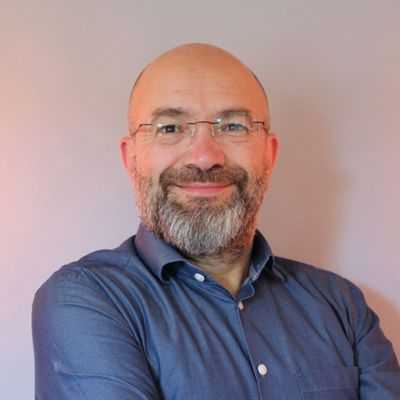
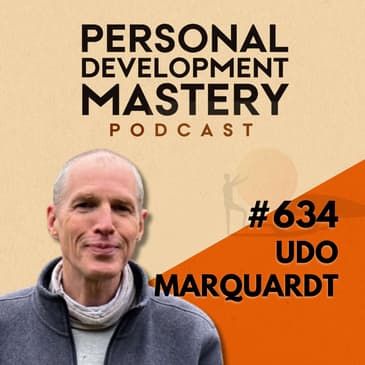
In this episode, Agi speaks with Udo Marquardt, an assistant Vipassana teacher who first attended a course in 1998 and has since experienced and served many courses. They explore what Vipassana meditation is, who it is for, what actually happens during the 10 days, and why the practice can create meaningful changes in the way we respond to ourselves and the world around us.
By listening to this episode, you will:
- Understand what to expect from a 10-day silent Vipassana meditation course and why the structure is designed the way it is.
- Discover how developing awareness and equanimity can help you respond differently to cravings, anxiety, difficult emotions, and challenging situations.
- Learn why regular practice after the course can help sustain the greater calm, clarity, and resilience developed during the retreat.
Press play to find out how the practice of Vipassana can help you become more aware, more equanimous, and ultimately happier in everyday life.
˚
KEY POINTS AND TIMESTAMPS
01:15 - Introducing Udo Marquardt
03:14 - Udo's Journey to Vipassana
07:54 - Who Vipassana Meditation Is For
14:26 - Why the 10 Days Are Structured This Way
16:27 - What to Expect From the Course
20:32 - Reactions, Habits, and Overcoming Cravings
23:40 - Awareness, Equanimity, and Becoming Happier
26:40 - How to Prepare for a Vipassana Course
29:05 - Closing Thoughts and Advice
˚
VALUABLE RESOURCES:
Vipassana website: https://dhamma.org
˚
Subscribe to our weekly email: https://personaldevelopmentmasterypodcast.com/email
---
A personal development podcast for midlife professionals, offering mindset tips and practical tools for personal growth, self mastery, personal mastery, and purposeful living. Discover psychology tips for emotional intelligence and growth mindset, including overcoming impostor syndrome and building self mastery.
Personal Development Mastery features personal development interviews and solo episodes empowering professionals, entrepreneurs, and seekers to cultivate self mastery and create a meaningful, fulfilling life aligned with who they truly are.
[Agi Keramidas]
What would 10 days of complete silence reveal about you? Welcome to Personal Development Mastery, the podcast that helps you gain clarity, overcome what holds you back, and take confident next steps towards a more meaningful and aligned life. I am your host, Agi Keramidas, a mentor and coach, and this is episode 634.
If you have ever been curious about meditation retreats, or you have heard the word Vipassana and wondered what it actually involves, this conversation is for you. I am joined by Udo Marquardt, who was the assistant teacher on the silent meditation retreat I attended myself in June. We explore who Vipassana meditation is for, what to expect in a course, and why something so simple in instruction can be so profound in its effect.
Let's begin. Today it is my real pleasure to speak with Udo Marquardt. I will start by sharing with everyone listening now that people who listen to the podcast have probably seen some episodes I did recently about a 10-day silent meditation Vipassana course that I attended in June.
You were the assistant teacher in the course, so I'm starting with this very, very clear explanation of who you are to me, and to thank you also for your presence during that course, which was a very powerful one. And I'm really glad to have you here today with me to discuss Vipassana meditation, who is it for, what can one gain from it, and things like that, really. So, a heartwarming welcome.
[Udo Marquardt]
Thank you very much, Agi, and it's nice to see you again. I'm very happy to be on your podcast, and I hope that it will benefit your listeners, that they will find something interesting here, and I'm sure they will.
[Agi Keramidas]
I think, and I will state that openly, that's my intention, and we are actually talking about this earlier on, my intention for the conversation is for someone who is intrigued by the idea of a silent meditation retreat, to find here some elements, something that will inspire them to take the next step, to look at the website, or even book it and do it, because it is so, so powerful and transforming, as we will explore today.
I would like to start, Udo, with some brief element of your history. I read here that you first attended your first Vipassana course in 1998, and then you kept on going, and eventually you became an assistant, or you were appointed an assistant teacher in 2011. What I want to ask is, where did you start?
Why did you go in the first place back in 98?
[Udo Marquardt]
Well, I know, I was looking for something for a long time. I left my home, left my country, Germany, and started traveling to many countries, first in Europe, and then later Asia. And I went to India to explore and to look for meditation.
And somebody said to me, look, there is this Vipassana meditation, why don't you give it a try? And immediately, when I heard the name, I felt like, oh, this is for me, I should go. So, a little bit later, I applied for a course.
And I actually applied for, to be very precise and honest, I applied twice and cancelled twice, because I was kind of not quite ready. So, I don't know. And so, that was just one after the other.
And Dharamsala, I said, let me wait a little bit more. And then a few months later, I traveled to Dharamsala, the northern part of India, Himalayan area. And I saw it again.
And then I decided to take a course. And it was really wonderful. So, the course started.
And immediately, it struck me, this is what I was looking for. And the one aspect, what to me was clear, it should be with no charges, it should be no commercial. And this it was.
So, nobody asked me for any money when I came to the course. You can give a donation at the end, but that was not even an issue, you didn't even talk about it. And the teaching was very clear, right from the day when we started, we call it day zero, course started, very clear instructions, okay, you observe the breath, and it was just very nice and clean, clear.
And the facilities also were very clean. And again, everything just matched. So, I started the course.
And of course, there were difficulties, you know, it was tough. But there was no doubt, I will complete the course. And once I completed, I said, I didn't have to look for another technique anymore.
I found what I was looking for. And yeah, it was a big change in my life. From then I stayed a bit longer to stay there, so not to fall into old habits.
So, I was serving there for two, three courses, and get into the flow of things, meditating regularly. So, it's a bit difficult when you finish your first course. And then somebody tells you try to meditate regularly at home.
I knew that it would be difficult. So, it was very helpful to stay there. And at the time, so I said, why don't I just stay, which I did.
And then, yeah, it...
[Agi Keramidas]
Here we are now, here we are, 28, 28 years later. From what you just said, the one thing that I very much felt exactly the same when I did the first course in a few years ago, it was that feeling that the technique, this is the technique I would like to keep on following. Because I had tried different meditation techniques in the past, but this one felt right.
It gave me some, it was clear, as you said, and gave me some very specific instruction of how to work with my mind during that time. What I would like to, you know, move on more, let's say, practically, is, you know, you said, and maybe I will connect to that, you were searching for something. And also, when I was, went to the course, I felt a calling that I looked at that silent meditation somewhere, and I thought, oh, this feels like something I would like to do.
What I would like to, you know, discuss with you is, who is Vipassana for? I mean, what people or what draws people to do a 10-day silent course? What draws them there?
What are some common characteristics or some common elements that draw someone? And then I can share my own experience, but I want to hear you, your point, because you have met so many thousands of students over the years.
[Udo Marquardt]
Well, it's difficult to perhaps exactly say what group, because everybody is welcome, and people come from all different backgrounds, you know. And it seems to me, as our teacher would say, Mr. Goenka, we call him Goenkaji, he would say, people have some seeds, and they come to develop, to grow these seeds. Or maybe they have done something good in their past, and they're coming to get the seed.
Either they're coming to get a seed, or they're coming to develop the seed they already have. And there are eight, nine billion people in the world, and we have got like, well, maybe, I forgot the exact number, but say 200 centers around the world, plus we have what we call non-center courses, places where they run courses and rental facilities. So from the start, when Mr. Goenka or Goenkaji started in 1969, when he came from Burma to India, more than a million have taken courses, more than one million people. But if you look at that population, we have worldwide population, nine billion and one million, that's nothing. That's one in 9,000, right? One in 8,000.
So it's still very rare. So the word is spreading, people see videos, and in some countries, it's quite well known, even if you go to, for example, Israel, every second person at least knows what is Vipassana, maybe more. It's quite in a common language there, you know, but it is spreading.
But people need to have a seed, something needs to be there, and then you get drawn in. And it's growing slowly, but surely, it doesn't grow like too big, too fast, because so it can maintain impurity. We would go very, you know, we need to have the teachers to be able to guide the students, or they need to develop slowly.
So it's not something we can just go online and say, look, take this course, and we record it for you, and then take it. That might be easier, and more people would even come. But we're not into that.
It's just maintaining this purity, as we got it originally from the Buddha 2,500 years ago, he discovered it or rediscovered it. He rediscovered what we call what he called Dharma, the law of nature. And it is basically, you know, again, he called it the Noble Eightfold Path, so divided Shila, Samadhipanya, morality, concentration, and wisdom.
And it's very pure, there's nothing added, nothing can be taken away. So you maintain Shila morality, which is, you know, acceptable for everyone, right? Not to kill, not to steal, not to lie, no sexual misconduct, no intoxicants.
That's what all the religions have about how to keep it. So there comes in the concentration part, awareness of breath, awareness of the incoming alcohol, we use this to develop concentration. So this is Samadhi.
That, again, is not so only unique to the Buddha's teaching. But then the third part is wisdom, Panya part, that is unique to the teaching of the Buddha, the Dharma. Because there you analyze sensations, you feel sensations and try not to react to them, develop equanimity, you know, and by not reacting, you eradicate impurities, what the Buddha called Sankaras.
Now that is very unique, very special. And you need to have a balanced mind to be able to feel these sensations and not react to them. And that can only be learned in 10 days.
You can't learn it on a, you know, one day or half day or half an hour course or so, whether online or in person. But I would say the people who come, they have a genuine interest. Some people leave the course, of course, that's normal for but for various reasons, there may be some sickness or family issues.
I've not seen or think almost never kind of remember at least that somebody completed 10 days and came to me and said, Oh, this was a waste of time. I didn't gain anything. Everybody comes and says, this was the most profound experience or profound undertaking I've ever done.
Yeah. And they may say, well, I may not want to carry on because I've got other plans. I'm not I'm too busy to carry on meditating.
But the seed again is planted or they've planted a little bit more of that seed, they've done something. And so they were attracted, you know, they're hard working people that come for 10 days. So you can see, people come and want to work hard.
They're not there. It's not a place where you can hang out. If you hang out, probably you will be asked to leave anyway.
But if you don't come to the meditation, then you ask, look, what are you doing here? If it's not for you, then you have to go.
[Agi Keramidas]
For sure. And you know, one thing that came to my mind, you said you condensed a lot over there, but I do remember the way that those 10 days are structured. And I understand that there is a very good reason for it.
Because if I was left to my own devices, I would not do all these hours of meditation that are necessary to develop the practice, because the instruction might be simple enough to understand. But implementing the instruction and basically being able to concentrate your mind and keep it concentrated rather than thinking about, you know, whatever the past or the future or your next meal or anything that the mind brings up at that moment, that is something that the amount of time and over the days allow one to cultivate it, to develop it, which I believe is surely important. That's why people keep on coming because that takes even more and more development.
Let's say someone listening to us now is intrigued or considering or would like to consider it. What would one expect? Because we talked about how transformative it is.
But what would one practically expect from giving 10 days of their life to go to a course where they will sit in silence and not speak to anyone and, you know, cut off from the rest of the world, family, etc. for 10 days. Why would someone do it?
What would they expect to benefit from it?
[Udo Marquardt]
I would say, first of all, be reassured. You know, it sounds a lot, 10 days. It sounds, well, 10 days.
Actually, you know, 10 days is not long, right? 10 days of your life. If you look like a year, how quickly a year goes, right?
10 days you go for a holiday, 10 days go very fast. And so it seems or sounds a lot, 10 days of meditation, but we need to give these 10 days to learn the technique. So what happens just briefly, on day we come, you arrive on day, the first day, day zero, and you get some information and talk, and then you take the precepts, you know, the five precepts I talked about earlier, and this morality, then you learn the anapana, this awareness of breath, three and a half days.
And as you very nicely said, you develop and cultivate this concentration. Because this is not something which falls from the sky, this concentration. And then we think like, oh, I can't do it.
I cannot concentrate. My mind keeps wondering. Yes, but this is the mind.
You know, nobody asks you to be perfect. We're developing and all of us, even me, you know, it's like, it's a development. And then sometimes I sit courses, when I sit my courses, the mind is wondrous, you know, but you're trying to bring it back, bring it back, bring it back, developing and cultivating this.
And you said it very nicely. This is what we're trying to do. And then after, on the fourth days, you learn the personal awareness of sensations in the whole body, scanning the whole body from top to bottom.
And again, this has to be learned little by step by step. You will not feel sensations ever immediately. And you don't give up.
You keep trying, keep trying, keep trying. That's why you have all these days, you know. So by doing that, you're doing a very deep operation on the mind.
You take out these impurities. It may feel difficult at times, of course, because old memories may come up, old emotions come up. You may not want to be there.
Hunger, tiredness, anger, you know, passion, boredom, all these things come up and you sit through it. This is very important because that just makes us stronger. That makes us eradicate the impurities.
It makes us stronger. And then when you finish the course, of course, also on day 10, I should mention you learn another technique, which is called metta bhavana, sharing the merits that you've earned with others. Loving kindness, which is absolutely integral part of the technique.
You share with everyone. And then you go home. You go home and you notice this or that change.
Something has changed. You're a little less angry, a little less passionate, a little less fearful, maybe a little less depressed. Not that everything totally changes.
That would be amazing, right? That would be so wonderful. But there will be some changes, you know.
And then you will be asked to continue your meditation, you know, try to carry on. So the person who does not continue, of course, as he benefits immediately after the course, but they will diminish after some time. It will not take too long.
It's just like day-to-day life will take over. You know, it's like you're having to have a day-to-day shower, right? You need to wash yourself.
The same with mental impurities. You're living the life, family life, work life, society life. And naturally there are reactions and we accumulate this stuff, which we can eradicate with this daily meditation, morning and evening meditation.
So this will keep us in better state than the person who stops and after some time. So the one who carries on, they will tell you when it's absolutely worth it. Because yes, you feel a little less tired.
You take a little time off your sleep. You feel more energetic. You feel you can face difficulties of life.
You know, these vicissitudes that we all have to face. Difficult people or difficult ourselves even, right? We are the most difficult ones, not the outside people.
And this is what we start to realize. Not the outside. My reactions are difficult, tricky parts.
Somebody may say something to us at home or again at work or somewhere. And it's us who are reacting. And we start to realize, oh, I've reacted.
Maybe you reacted, but in the evening you meditate, you sit down. After some time you realize, oh, I overreacted there. I reacted I shouldn't have.
I made a mistake. And then again, you practice this metta at the end. You send metta to the person.
Next day you may apologize, you know, say, look, I said something I shouldn't have said. And habit patterns change, such like addictions. People are addicted to drugs, of course, you know, alcohol, other drugs.
People generally, you find that those who've taken regular drugs and they come again to courses, either they're totally stopped. That's amazing. But I mean, on average, I would say they reduced it significantly.
And they used to drink regularly, daily or whatever. Now they drink once in a while. So they're trying to come out of it, you know?
And then with more and more courses, regular practice, eventually they say, I stopped. It wasn't difficult for them. There's nobody there telling them, you should stop.
They're in themselves, realizing it's time to stop. And it becomes quite easy with the meditation. It's not like a big battle going on anymore, you know?
Yeah, because if you, before you're meditating, you knew I shouldn't drink or I shouldn't eat all this junk food. But it's always a battle, right? Ah, you know, and it's craving is so strong.
But with this meditation, craving diminishes gradually, and then it becomes relatively easy to say, no, this is not what I want. I take the healthier choice, you know? Anxiety, depression, which we see so much these days, right?
It helps people coming out of this anxiety, depression, gradually coming out. I mean, it's normal, right? Some depression, some anxiety, and people observe what's happening inside when they get anxious, observe the sensation, and it passes.
And then they become confident that they can handle such situations. When it rises again in the life, they have a tool now to observe what's happening inside. Before it was only outside or in the mind, oh, I'm feeling anxious.
But what is the deeper cause of this anxiety? It is actually happening inside. The sensations, when you have anxiety, there are sensations inside, quite unpleasant, and you're reacting to them.
You say, oh, something's happening inside, and you were not aware of that, you know?
[Agi Keramidas]
That's wonderful. And I will, you know, I will add from my own and fairly recent experience that one thing that I had certainly after the course was a level of inner calmness that wasn't there before. So it was much quieter up here than it normally is.
And you mentioned the awareness a few times in what you said, and I think the ability to be more aware or to be aware more often during the day, that was something that increased from my experience with the course. And you said, you were saying about the junk food or the craving or that is reduced. What I found for me is that even if one particular craving is still there, my awareness is much bigger to recognize that this is a craving and not indulge in the craving, but, you know, just to observe it.
And then it does go away after a while.
--
[Agi Keramidas]
I remember in the teaching and the two main elements that one gains is awareness and equanimity and both of them are and I know equanimity we haven't really discussed much about it in our conversation and we could probably have a new full conversation about equanimity and its importance but I think the being able to have all these benefits is it's wonderful I think it's wonderful for me having done the course twice so far and of course I will do it again in the future I do understand and that's why I'm so passionate to share this message that it is something that can really help you improve your life be happier which I think it is the you know one of the the foundations in the in the teaching and that's a nice that's a nice
[Udo Marquardt]
way to summarize it actually you said the right thing to be happier to become happier I could say a lot of words but yes to summarize it in a few words to become happier yes well I think
[Agi Keramidas]
I have met I don't know about you but I have met few people that are not you know looking to be happy or they want to to be happy everybody wants to be nature as humans to go towards that path and having the the tools in a way or the some concepts or some way because for many people happiness is when they think of happiness they think of something else that not what actually is happiness so going coming back to our you know discussion about the the retreat and Vipassana was there anything else you felt like we ought to discuss or or put in there that is important for someone
[Udo Marquardt]
listening to you know perhaps understand or grasp yeah I think it's it's it really will change your life as you said it will make you happier and it's something it has to be experienced you can read about it of course you should read I would strongly advise everyone to to take a decision look at the website read it read the information carefully perhaps watch one or two videos which we have on the dhamma.org website international website and choose it carefully you don't need to prepare yourself so sometimes we have this like oh I'm not I'm not a meditator I haven't meditated before not necessary not necessary because it's better actually to come with a clean slate other than you're pre-prepared with some other way and you think oh it should be like this or like that if you come you haven't meditated before great you just learn it as you teach it of course if you've already done other techniques nothing wrong you still come but you don't need to worry you know just the but prepare yourself in a sense of read a little bit what the course is about and yeah you know then then think yes it's really for me I wouldn't overthink it but just make sure you're in a reasonable state of mind you know not in a major depressive phase or so you're still having therapy or so then you probably should wait a bit you know so you ask for some mental stability in your current life you know right now some people it's okay they're just divorced and they're strong they can do it but you need to know that maybe it's better the way it's a little bit and then take it so these things you of course you can always discuss it with us you know if you put your application there's an online application process you can always say look there's something I want to talk to the teacher about I want to let you know do you think I'm you know I should take the course now or later that's also fine I will add a couple of things to what you just said
[Agi Keramidas]
one was the preparation which I remember when I was preparing and actually I will invite anyone who's thinking about it if they have any questions that I can I answer please message me I'm very happy to discuss this with anyone but in terms of preparation I remember before I did my first course I found and spoke with some people who had done a Vipassana course about you know 10 of them I gathered and I asked them and I found very reassuring that none of them had anything negative to say about it they all of them said that and so up to now I haven't found a person that told me that I regret going to that retreat never it's the benefits are clear even though there is you know the that period and the challenges and so on but it is much much worth it and so that's you know adding about the preparation you said one thing that I will very briefly add just perhaps because we mentioned it a few times is that the the course is free so you don't have to pay to to attend and you can give a donation if you want at the end at the end yeah so that's also something important to to state having said all that Udo I think that we have covered quite a lot of ground in this just over half an hour we've been speaking so again I want to thank you for sharing all this with us and with the listener today I would give it to you for perhaps in a closing message to someone who has listened to us so far what is it that you would like to end this discussion with?
[Udo Marquardt]
Thanks Agi, so I would say give it a try our teacher would say come give it a try or even the Buddha say a passico come and see come and see try for yourself it is so wonderful and it's it's it's very clear path very clearly structured you will not regret you know as we said now a few times after the course nobody said they regret it and the same way for you have faith in yourself you can do it if you're reasonably in a good state of mind you can you can do it and just give it come and give it a try and you'll see it's it's it's a wonderful thing to do so you change your life for better for sure and I'll give you my word for that so come give it a try and I will hope to see you there sometime

 5.00 (74 Reviews)